
Greenhouse gas (GHG) monitoring from space is a solution that uses satellites to measure carbon dioxide (CO2), methane (CH4), nitrous oxide (N20) and ozone (O3) emissions in the atmosphere. Construction industry produces a significant portion of global GHG emissions, and buildings with their energy sources are one of largest contributors to these emissions. The technology allows to track the sources and movement of emissions.
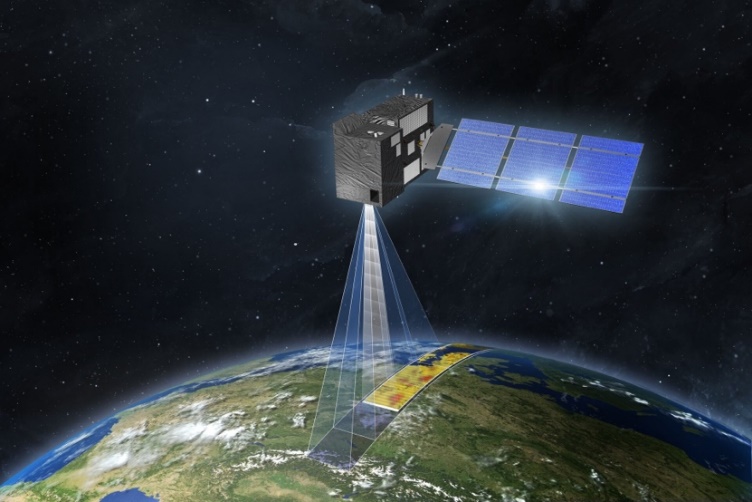
Carbon dioxide monitoring satellite (Source: ESA https://www.esa.int )
The benefits of space monitoring are numerous. For the context of climate change, the solution helps to better understand how human activities are contributing to the GHG emissions, and how the actions can reduce them to slow down global warming. By providing a global view of emissions, cities together with policymakers and businesses can make informed decisions on reducing emissions and mitigating climate change. This technology helps to monitor compliance with emissions reduction agreements and supports the development of new policies and regulations promoting sustainability. In addition, GHG monitoring from space enables identifying high levels of emissions, that may be produced by industry, cities or incidents like natural disasters or accidents. To sum up, this solution has the potential to play a key role in mitigating to climate change and promoting sustainability.
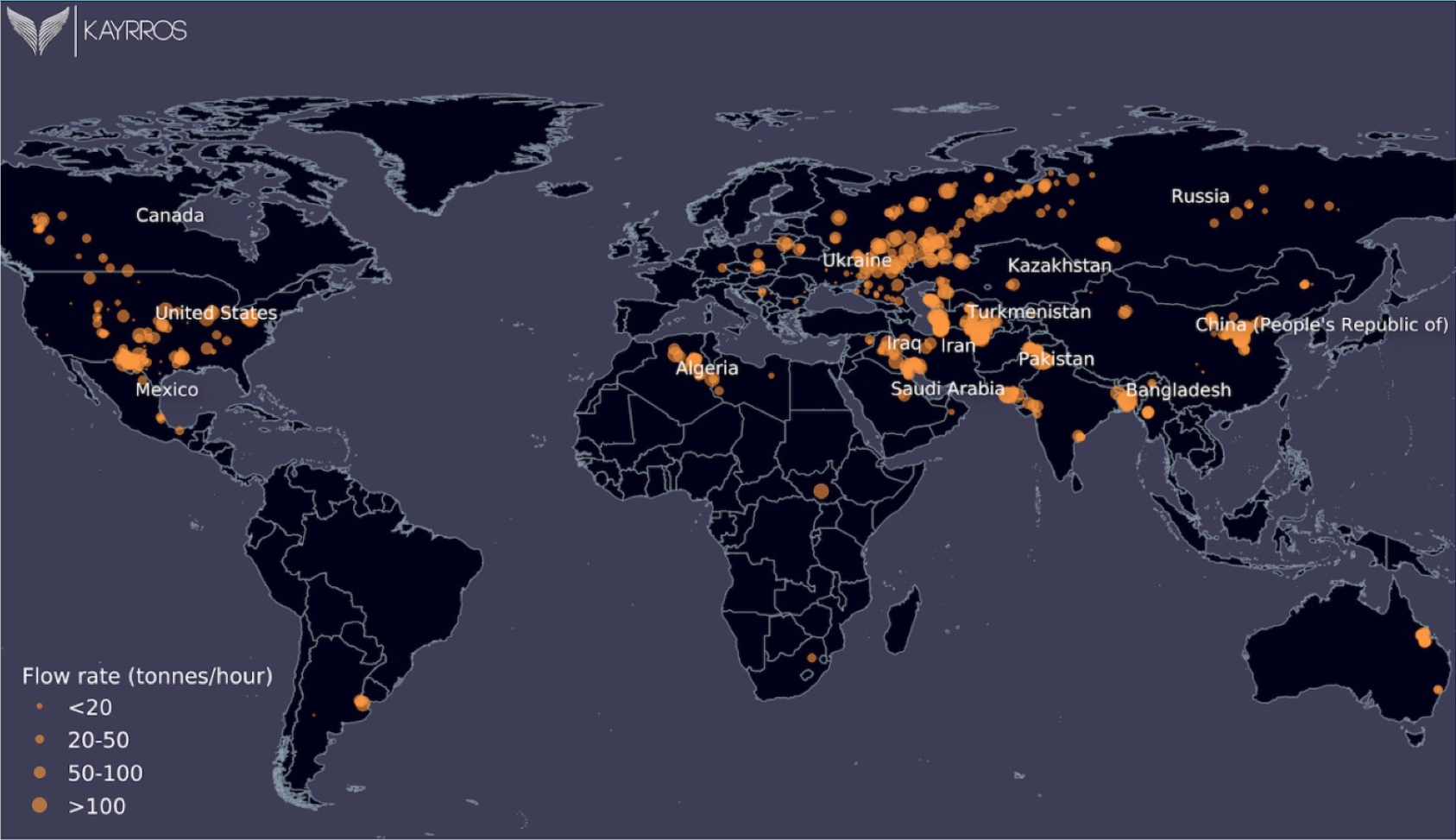
Methane flow data indicating locations (Source: Kayrros https://www.kayrros.com )
Komentáre ()