Zde najdete další informace o klimatické neutralitě, o tom, co to znamená pro vás a vaše město, a také informace o tom, jak vám k tomuto cíli pomáhá iniciativa NetZeroCities!
Úvod z hlavní webové stránky
Seznamte se s městy zapojenými do iniciativy EU Cities Mission
Publikace z webových stránek NetZeroCities
Úvod do portálu
Inovativní přístupy v rámci dvouletého programu
Často kladené otázky
Města, která replikují práci Pilotních měst a učí se z ní
Atlas klimatické změny vám nabízí cestu ke Klimatické neutralitě a bude vás při této transformaci podporovat na každém kroku
Sjednocování lidí, akcí a investic k dosažení klimatické neutrality
Pochopení problému z různých úhlů pohledu a poučení se z minulosti
Způsoby, jak podpořit změnu pomocí různých nástrojů
Plánování, realizace a sledování vašich aktivit
Budování společných znalostí a schopností nezbytných k podpoře rychlých změn
Zavádění a udržování osvědčených postupů
Objevte inovativní nástroj správy věcí veřejných využívaný Misijními městy
Vzdělávací centrum NetZeroCities nabízí vzdělávací programy specifické pro EU v místních jazycích a podporuje veřejné správce, výzkumné pracovníky, občanské organizace, tvůrce politik, konzultanty a tvůrce změn.
Nabízí systémové, spolupracující a peer-to-peer přístupy spolu s praktickými nástroji a případy založenými na důkazech, které podporují přechod k městské klimatické neutralitě a pomáhají zvládat složité systémové změny.
Učte se vlastním tempem
Připojte se ke skupině a zkoumejte svůj klimatický přechod cíleným způsobem.
Navazujte smysluplné kontakty v rámci naší komunity a sdílejte příspěvky na sociálních sítích, abyste zůstali v kontaktu s ostatními, kteří ve své komunitě prosazují udržitelné změny!
Zjistěte, jak se jednotlivé země zapojují do mise a které z nich zřídily národní platformy
Zobrazit všechna města zaregistrovaná na portálu NetZeroCities
Zpravodajský kanál
Prozkoumejte skupiny, ke kterým se můžete připojit, nebo si založte vlastní
Prohlédněte si akce nebo si vytvořte vlastní
Zobrazit všechny uživatele na portálu NetZeroCities
Chatujte se všemi uživateli portálu NetZeroCities
Portál NetZeroCities nabízí řadu nástrojů, které vám pomohou ve vaší práci, a to jak nyní, tak i v budoucnu.
Prozkoumejte všechny nástroje prostřednictvím stránky s přehledem nebo se do nich pusťte rovnou.
Prohlédněte si všechny nástroje na jednom místě
Informační panel sledující pokrok Misijních měst
Iniciativy a projekty EU v oblasti Klimatické neutrality
Portfolia technických řešení pro větší dopad
Objevte praktické přístupy k sociální inovaci
Najděte vhodné financování pro své projekty
Vyhledávač technických řešení pro dekarbonizaci (informační list)
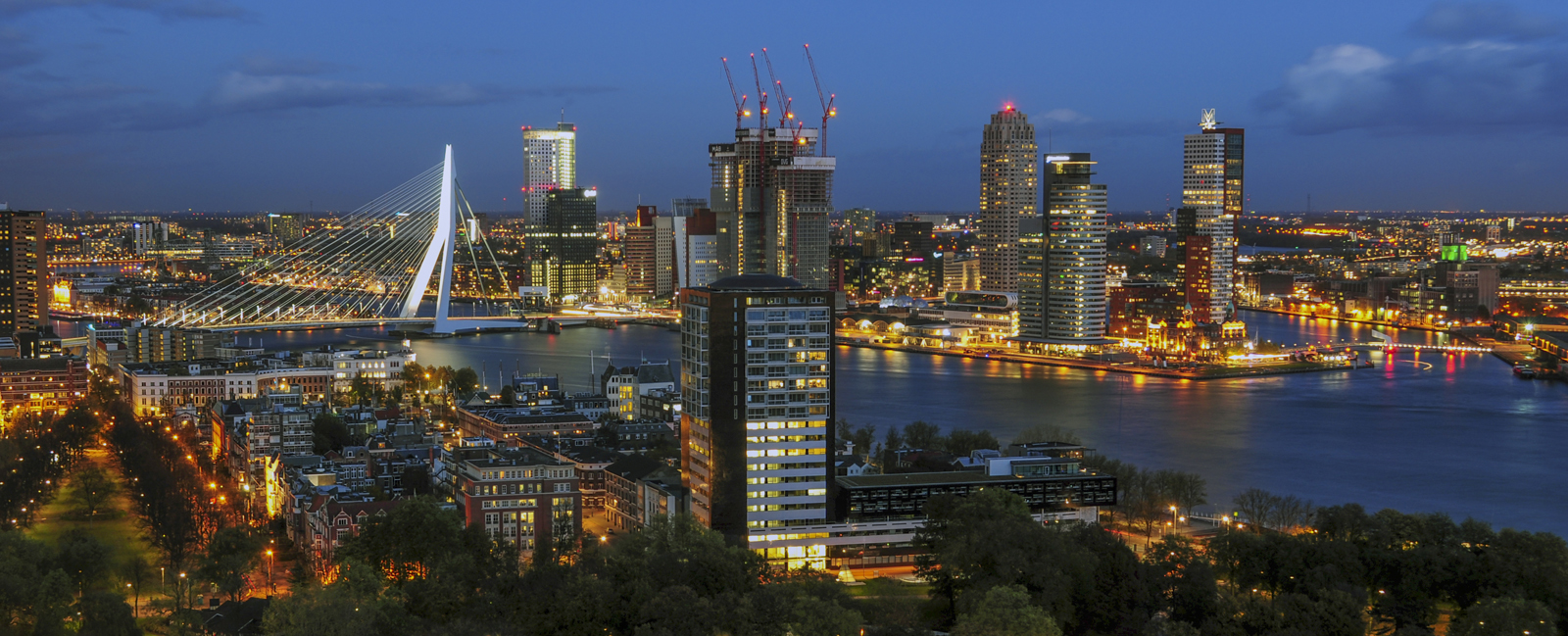
Rotterdam is a city with 600.000 inhabitants. That’s makes us the second largest city in the Netherlands. It is a multi-cultural city with inhabitants from 172 different nationalities. On average we also have the poorest inhabitants compared to the other big cities, which makes an inclusive and affordable energy transition for us of the utmost importance.
Within our municipal boundaries is located the Port of Rotterdam, the biggest port in Europe. The industry and energy sector located there is responsible for roughly 20% of the national CO2- emissions and 80% of the Rotterdam emissions (both scope 1). If we also take in consideration the vast amount goods produced there or passing through, the port plays a large role in emissions produced elsewhere. 13% of all energy consumed in Europe passes through the port and indirect emissions (scope3) amount to almost 3,5 times of the total emissions of the Netherlands.
The transformation of the port towards a clean energy and sustainable resource hub is therefore of strategic importance for the future of our city, the Netherlands and Europe as a whole. Rotterdam is a dense urban area with a negligible amount of farming land. This has several consequences. First, there are but a few areas where large scale wind- or solar farms can be developed. This makes us almost completely dependent, currently and in the future, of the development of sustainable electricity sources beyond our city borders. Next, while there is potential for the development and utilising of local heat sources, for a large part we are dependent on residual heat from industrial processes in the Port of Rotterdam. Emphasizing the strategic importance of this transition for the city area. Third, the extra space required for the energy transition, because of all the extra assets required, causes many issues with other challenges which also demand space, like greening the city, housing, etc.
Žádné další aktualizace