Hier vind je meer informatie over klimaatneutraliteit, wat dit voor jou en je stad betekent, en hoe NetZeroCities je helpt om dit doel te bereiken!
Inleiding van de hoofdwebsite
Ontdek de steden die deelnemen aan de EU Cities Mission
Publicaties van de NetZeroCities-website
Een inleiding tot het portaal
Innovatieve benaderingen in het kader van een tweejarig programma
Veelgestelde vragen
Steden die het werk van de Pilotsteden overnemen en daarvan leren
Het Klimaatstadcontract is het centrale uitvoeringsinstrument van de Missie. Hier vindt u alles wat u nodig hebt om uw eigen contract op te stellen en in te dienen: praktische richtlijnen, sjablonen, voorbeelden en casestudy’s.
Meer informatie over Klimaatstadcontracten
Ontdek alle Klimaatstadcontracten die zijn opgesteld door Missiesteden en missiegerichte steden
Ontdek de Klimaattransitiekaart
Sjablonen en richtlijnen voor het Klimaatstadcontract
De NetZeroCities Learning Hub biedt EU-specifieke leerprogramma's in lokale talen en ondersteunt openbare bestuurders, onderzoekers, maatschappelijke organisaties, beleidsmakers, consultants en changemakers.
Het biedt systemische, collaboratieve en peer-to-peer-benaderingen, samen met praktische tools en op bewijs gebaseerde voorbeelden, om de overgang naar stedelijke klimaatneutraliteit te ondersteunen en complexe systemische verandering te helpen sturen.
Leer in uw eigen tempo
Word lid van een groep om je klimaattransitie op gerichte manieren te verkennen.
Leg waardevolle contacten binnen onze gemeenschap en deel berichten op de sociale feed om in contact te blijven met anderen die duurzame veranderingen in hun gemeenschap tot stand brengen!
Ontdek hoe elk land bij een missie betrokken is en welke landen nationale platforms hebben opgezet
Bekijk alle steden die zijn geregistreerd op het NetZeroCities-portaal
Sociale feed
Bekijk welke groepen je kunt aansluiten of start je eigen groep
Bekijk evenementen of maak je eigen evenement
Bekijk alle gebruikers op het NetZeroCities-portaal
Chat met alle gebruikers op het NetZeroCities-portaal
Het NetZeroCities-portaal biedt tal van hulpmiddelen om u bij uw werk te ondersteunen, nu en in de toekomst.
Verken alle tools via de overzichtspagina of duik er meteen in.
Bekijk alle tools in één oogopslag
Dashboard met gegevens over de voortgang van de Missiesteden
EU-initiatieven en -projecten op het gebied van Klimaatneutraliteit
Technische oplossingen voor meer impact
Ontdek concrete wegen naar sociale innovatie
Vind de juiste financiering voor uw projecten
Zoekfunctie voor technische decarbonisatieoplossingen (factsheet)
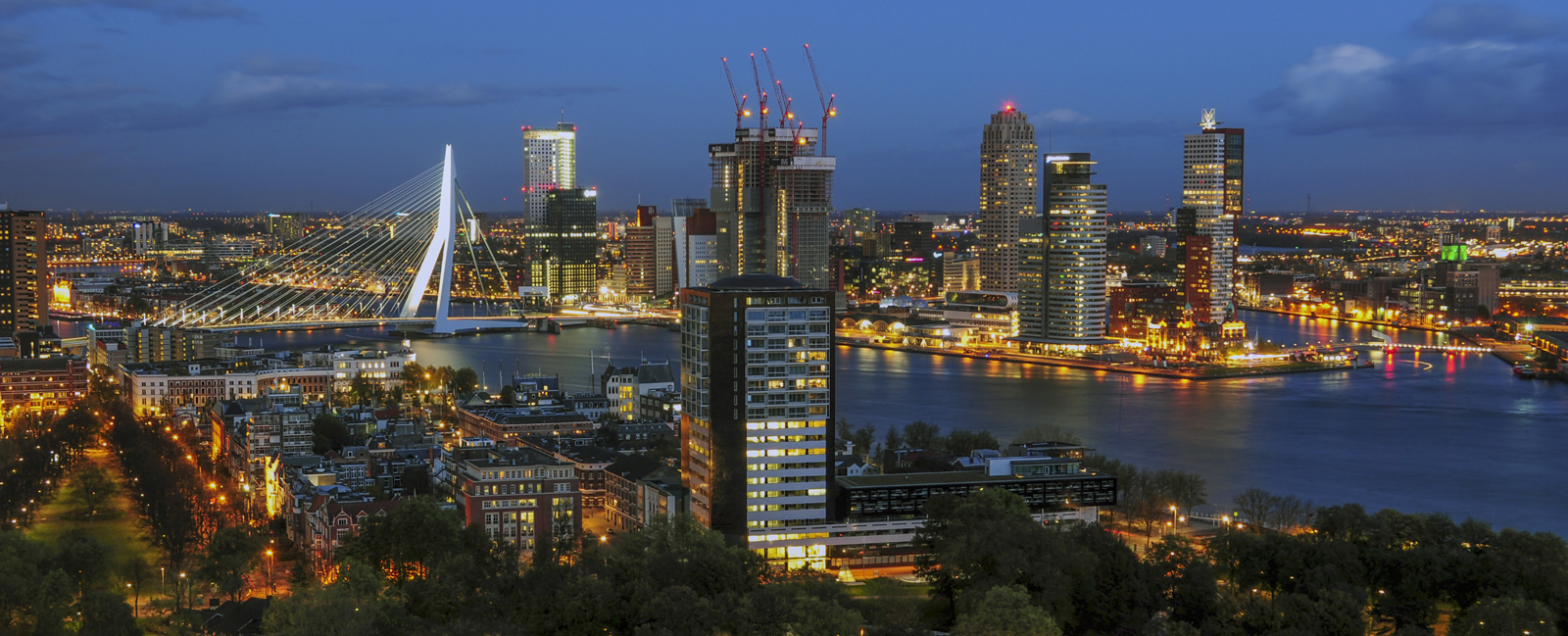
Rotterdam is a city with 600.000 inhabitants. That’s makes us the second largest city in the Netherlands. It is a multi-cultural city with inhabitants from 172 different nationalities. On average we also have the poorest inhabitants compared to the other big cities, which makes an inclusive and affordable energy transition for us of the utmost importance.
Within our municipal boundaries is located the Port of Rotterdam, the biggest port in Europe. The industry and energy sector located there is responsible for roughly 20% of the national CO2- emissions and 80% of the Rotterdam emissions (both scope 1). If we also take in consideration the vast amount goods produced there or passing through, the port plays a large role in emissions produced elsewhere. 13% of all energy consumed in Europe passes through the port and indirect emissions (scope3) amount to almost 3,5 times of the total emissions of the Netherlands.
The transformation of the port towards a clean energy and sustainable resource hub is therefore of strategic importance for the future of our city, the Netherlands and Europe as a whole. Rotterdam is a dense urban area with a negligible amount of farming land. This has several consequences. First, there are but a few areas where large scale wind- or solar farms can be developed. This makes us almost completely dependent, currently and in the future, of the development of sustainable electricity sources beyond our city borders. Next, while there is potential for the development and utilising of local heat sources, for a large part we are dependent on residual heat from industrial processes in the Port of Rotterdam. Emphasizing the strategic importance of this transition for the city area. Third, the extra space required for the energy transition, because of all the extra assets required, causes many issues with other challenges which also demand space, like greening the city, housing, etc.
Geen updates meer