
Healthy soil can serve as a vital carbon store. Climate-smart soil management is therefore crucial and can help to make agricultural practices more resilient to the consequences of climate change. Innovative technologies can improve fertility and soil biodiversity as well as reduce risks for erosion. Conservation agriculture practices such as minimum soil disturbance, permanent soil cover, and crop rotation also help to prevent carbon being released from the soil into the atmosphere.
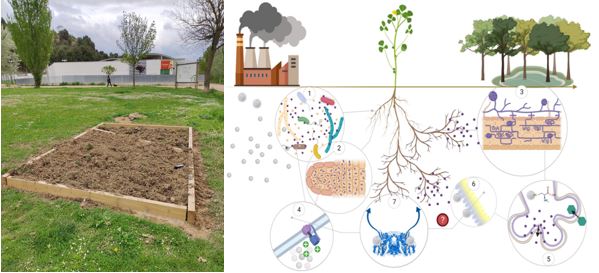
Phytoremediation is an approach to cleaning up contaminated soil. Living plants remove pollutants such as heavy metals in the soil by extending their root system. The approach is eco-friendly, economically feasible, and easy to implement. Next to improving the soil quality by absorbing pollutants and releasing valuable nutrients into the soil, it can also help to prevent soil erosion. Advances in genetic engineering can improve plant performance and generate specific plants that grow quickly and are particularly efficient in extracting toxins from the soil. Phytoremediation is especially suitable for revegetation attempts in urban brownfield land such as former industrial areas. By regenerating the soil, it also contributes to increased biodiversity in cities.
Comentarios ()