Ovdje ćete pronaći više informacija o klimatskoj neutralnosti, što ona znači za vas i vaš grad, kao i informacije o tome kako NetZeroCities radi na tome da vam pomogne da to postignete!
Uvod s glavne web stranice
Otkrijte gradove uključene u Misiju za gradove EU
Publikacije s web-stranice NetZeroCities
Uvod u Portal
Inovativni pristupi u dvogodišnjem programu
Često postavljana pitanja
Gradovi repliciraju i uče iz rada Pilot gradovi
Klimatski gradski ugovor ključni je instrument provedbe Misije. Ovdje ćete pronaći sve što vam je potrebno za izradu i podnošenje vlastitog ugovora: praktične smjernice, predloške, primjere i studije slučaja.
Saznajte više o klimatskim gradskim ugovorima
Istražite sve klimatske gradske ugovore koje su izradili misijski gradovi i misijski usmjereni gradovi
Otkrijte Kartu klimatske tranzicije
Predlošci i smjernice za klimatski gradski ugovor
Centar za učenje NetZeroCities nudi programe učenja specifične za EU na lokalnim jezicima te podržava javne upravitelje, istraživače, civilne organizacije, donositelje politika, savjetnike i pokretače promjena.
Nudi sistemske, suradničke i ravnopravne pristupe, uz praktične alate i primjere utemeljene na dokazima, za potporu prijelazu prema gradskoj klimatskoj neutralnosti i pomoć u upravljanju složenim sistemskim promjenama.
Učite svojim tempom
Pridružite se grupi i istražite svoju klimatsku tranziciju na fokusirane načine.
Uspostavite značajne veze unutar naše zajednice, dijelite objave na društvenom feedu kako biste ostali povezani s drugima koji stvaraju održivu promjenu u svojoj zajednici!
Saznajte kako se svaka zemlja uključuje u Misiju i koje su uspostavile Nacionalne platforme
Pogledajte sve gradove registrirane na portalu NetZeroCities
Društveni feed
Istražite grupe kojima se možete pridružiti ili pokrenite vlastitu.
Istražite događaje ili kreirajte vlastite
Pogledajte sve korisnike na portalu NetZeroCities
Razgovarajte sa svim korisnicima na portalu NetZeroCities
Portal NetZeroCities nudi brojne alate za podršku vašem radu, sada i u budućnosti.
Istražite sve alate putem stranice pregleda ili krenite izravno.
Istražite sve alate na prvi pogled
Nadzorna ploča podataka koja istražuje napredak Misijski gradova
Inicijative i projekti EU za klimatsku neutralnost
Portfelji tehničkih rješenja za veći utjecaj
Istražite provedive putove društvenih inovacija
Pronađite odgovarajuća sredstva za svoje projekte
Pronalazač tehničkih rješenja za dekarbonizaciju (informativni list)
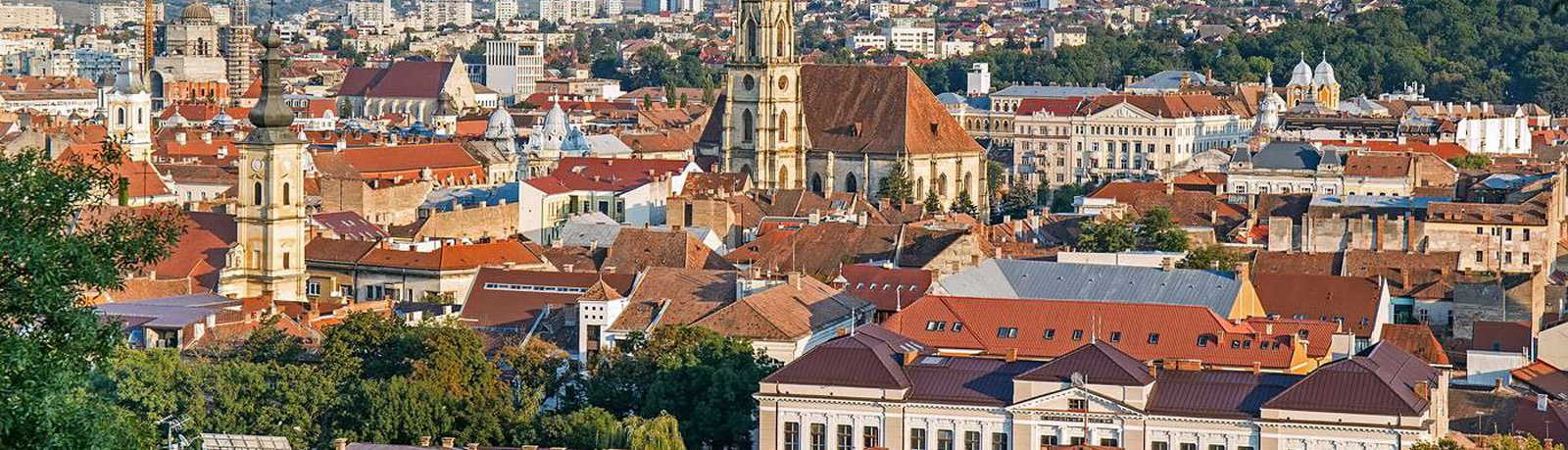
Cluj-Napoca is the largest secondary city in Romania, but also the most dynamic in terms of both demographic and economic growth (5,000 new jobs and inhabitants only in 2021, at metropolitan level, meaning +2,7%, respectively +1% in just one year).
According to a World Bank survey, the city is the most attractive destination for internal migration, surpassing even Bucharest, and it is perceived by the Romanians as the one with the highest quality of life in the country. This growth also comes at the cost of a high level of GHG emissions, especially associated with the rapidly growing housing sector and motorization rate.
The ambition of the local ecosystem, stated in the IUDS adopted in January 2022, is to place Cluj-Napoca among the cities with the highest quality of life in the EEC area and to promote it aaan European Lab City for testing the most innovative solutions, technologies and processes related to sustainable urban development. Following this ambitious vision set by the 2021-2027 Metropolitan IUDS - as the coordinating planning document, the city was the first growth pole in Romania to elaborate and adopt all relevant sectoral development strategies and plans in 2022, starting with the SUMP, the District Heating System development strategy, the Digital Transformation one and the SECAP.
The Air Quality Improvement Plan has been previously adopted (June 2020) and the revision of the General Urban Plan has already been initiated after the elaboration of the strategic documents mentioned above. The leitmotif stated in all these documents is the target to reduce GHG emissions by at least 80% in the following 8 years. Another strategic option that arises from the set of metropolitan/city planning documents is the focus on the two sectors with the highest level of GHG emissions, buildings (especially residential ones) and transport, respectively on the integrated interventions carried out in dense multi-apartment residential neigneighborhoodsere ¾ of the total residents live.
Više nema ažuriranja