
Smart cards can be defined as a device, generally bank card size, made of an embedded integrated circuit, encapsulated in a plastic body. The contactless smart card communicates with and is powered by the reader through radio-frequency (RF) induction technology, within a few centimetres distance.
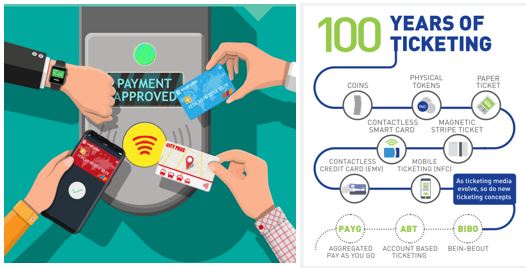
The contactless smart card is secure, affordable and can be used for many services: the same smart card could be used for public transport, payment services, loyalty, and so on with a dedicated application for each service. The smart card is used to hold ticketing data (loaded value, tickets or passes) in a secure way and every transaction (product loading or validation) is done through an encrypted secure session.
Well-known smart cards in the public transport sector are the Oyster card (London), Octopus (Hong Kong) and Navigo (Paris). In these cards, the travel information and the rights to travel are stored physically within a chip embedded in the card itself.
Card-centric solutions have become standard for public transport systems because they are flexible, secure, easy to use and have reduced operating costs.
Commentaires ()