
The methodology presented in this paper aims to support local authorities by providing a tool for the diagnosis and prioritization of homogeneous groups of residential buildings to address their renovation based on an analysis of their needs and opportunity factors.
ABSTRACT:
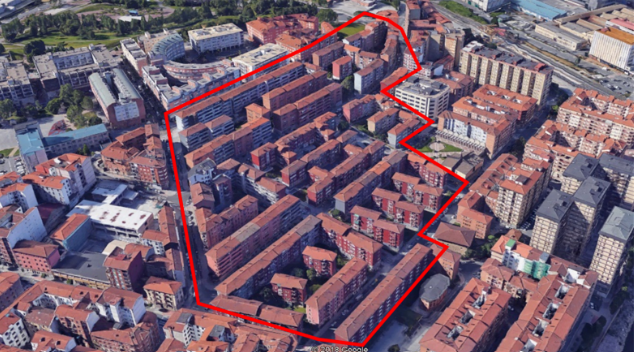
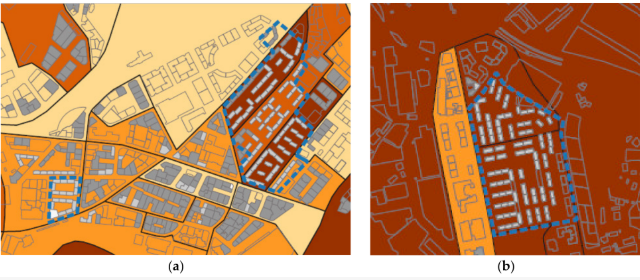
Energy renovation of post-World War II private multifamily residential buildings has been identified to have a great deal of energy-saving potential but faces a great challenge across Europe, and especially in South Europe, due to fragmented property structures and longer return periods in energy efficiency investments. However, there is great deal of potential in activating demand aggregation in areas with homogeneous typologies. Local authorities play a key role in leading district-scale renovation but lack adequate methods for analysing and prioritizing areas from an integrated perspective, including social aspects. The methodology presented in this paper aims to support local authorities by providing a tool for the diagnosis and prioritization of homogeneous groups of residential buildings to address their renovation based on an analysis of their needs and opportunity factors. First, the methodology sets the universe of analysis; second, based on indicators, it provides comparative information within the municipality, which leads to a prioritization of areas for building renovations according to the state of the building and to the socio-economic profile of the residents; lastly, a detailed diagnosis of selected groups is performed, providing information to design the Renovation Action Plans accordingly. The application of the methodology in Basauri is presented in this paper.
Commentaires ()