

This open access book examines the role of social innovation in cities as an important lever towards climate neutrality. Social innovations are people-centred collaborative solutions, activating the urban ecosystem for change and providing platforms for citizens, civic organizations, the private sector, and governmental institutions to collaborate towards the goal of reducing greenhouse gas (GHG) emissions. The book, based on work developed within the EU-funded project NetZeroCities, which aims to support over 100 European cities to be climate-neutral by 2030, outlines methods, cases, and pathways of social innovation in Europe. It presents social innovation design process pathways through methods, categories of actions, and related cases for developing and scaling social innovations at the urban level, contributing to a systemic approach to tackle the grand challenge of reaching net zero. Within these pages, researchers and policymakers can find examples of cities that have deployed innovative public administration practices by systemically embedding social innovation in varied fields of urban action plans, including energy, citizen engagement, and behavioural change for lowering carbon emissions and increasing well-being.
Book Chapters
Chapter 1: The Role of Social Innovation in Climate Neutrality
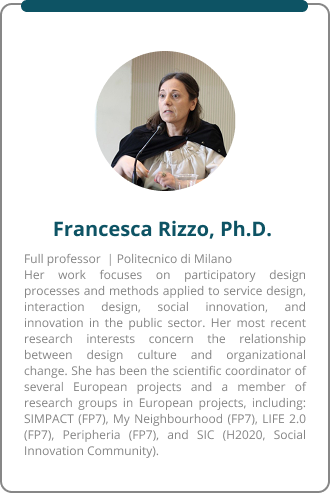
Francesca Rizzo, Tamami Komatsu
Achieving climate-neutrality by 2030 is a significant challenge for cities involved in the EU 100 Climate-Neutral and Smart Cities Mission. A systemic approach, involving cross-sector collaboration, is essential for cities to identify emission challenges, co-create actions, and implement solutions effectively. Social innovation can support this in meaningful ways and is a crucial component in achieving a just transition, offering a collaborative, inclusive, and people-centered approach to address complex challenges like climate-neutrality. It can support cities accelerate the pace of change through innovative business models, policies, and processes that mobilize knowledge, experience, and resources. This chapter emphasizes social innovation’s role in three primary ways: as a collaborative process for multi-actor engagement, as platforms for action and inclusion, and as solutions to emerging needs resulting from the transition, taking evidence from the experiences thus far collected in the NetZeroCities project. It also offers directions for further research on how SI can support cities achieve climate-neutrality.
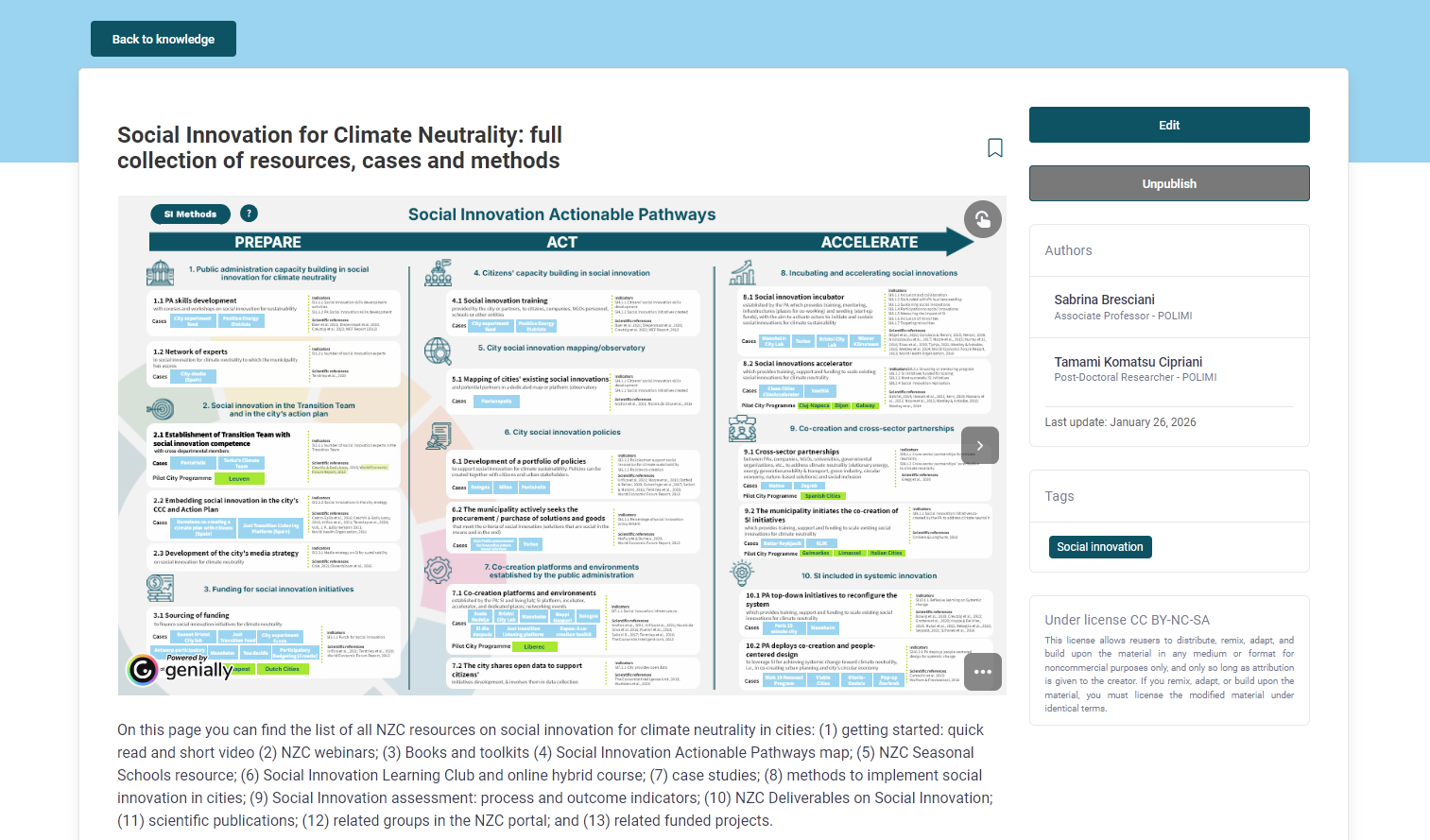
Social Innovation for Climate Neutrality: full collection of resources, cases and methods
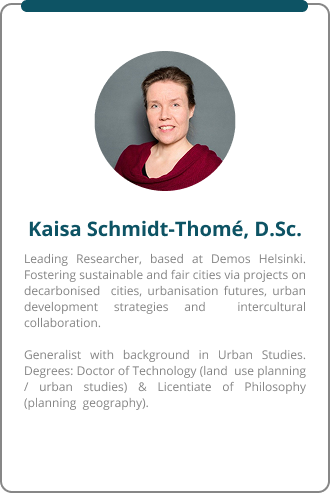
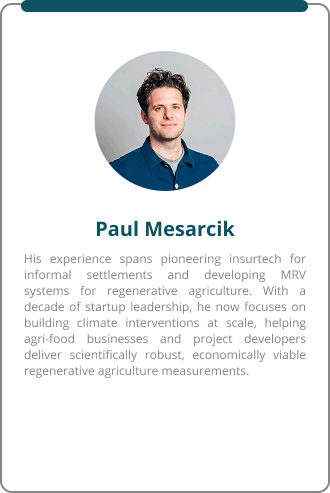
Kaisa Schmidt-Thome, Paul Mesarcik
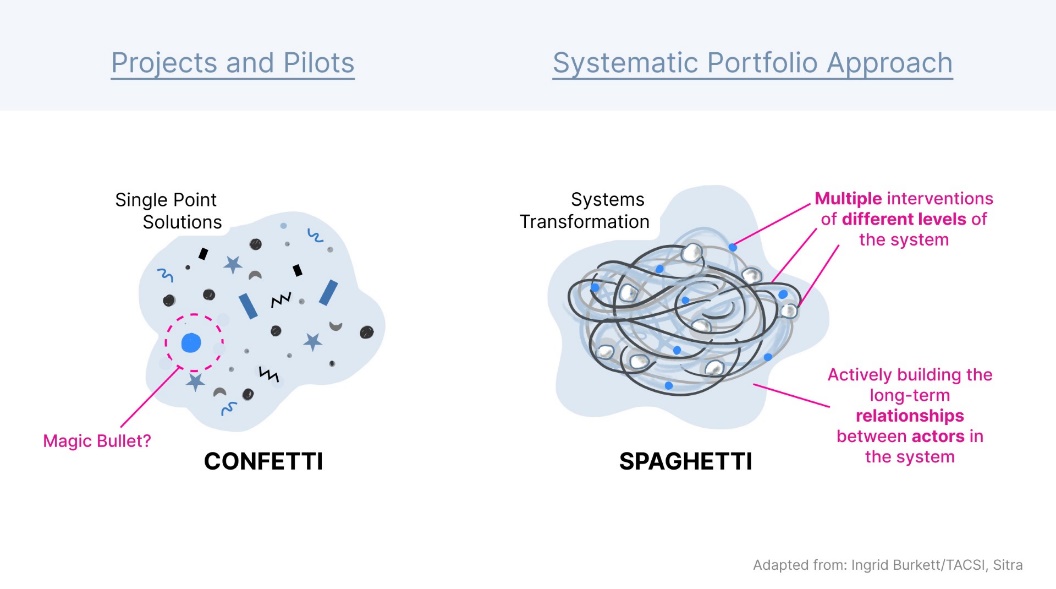
This chapter emphasizes the need for cities to integrate social innovation into their innovation portfolios to effectively address the climate crisis. The chapter identifies Enablers, Mediators, and Visionaries as essential personas for cities to nurture SI effectively. Cities acting as Enablers express their support to social innovation by providing grants, and supporting grassroots initiatives. When doing so, they need to carefully evaluate criteria that may favor commercially viable innovations over other initiatives. If cities become Mediators, they focus on creating a broader ecosystem by mapping and connecting existing initiatives. Mediators would have to note that connecting as many dots as possible does not necessarily lead to shared interests. A Mediator city would thus have to provide more specificity, pointing to issues of common relevance while respecting the diversity of approaches. Visionaries take on an ambitious role of agenda setting and mission orientation, aligning diverse actors toward a common goal, such as climate neutrality. Drawing on the concept of innovation portfolios, Visionaries facilitate interconnected actions, emphasizing the importance of addressing societal challenges beyond technological solutions. While recognizing the challenges, the chapter encourages cities to transition toward a Visionary role, leveraging their existing capabilities as Enablers and Mediators. By embracing a holistic and integrated approach, cities can foster a collaborative innovation landscape, inclusive of social innovations, ultimately contributing to meaningful and sustainable solutions for climate change mitigation.
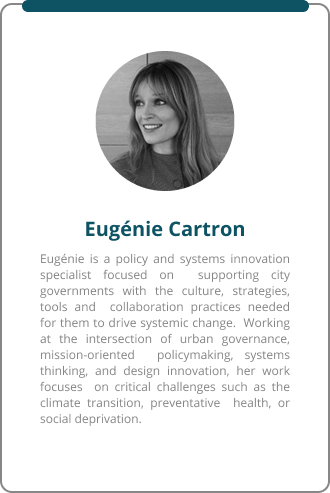
Marzia Mortati, Eugénie Cartron
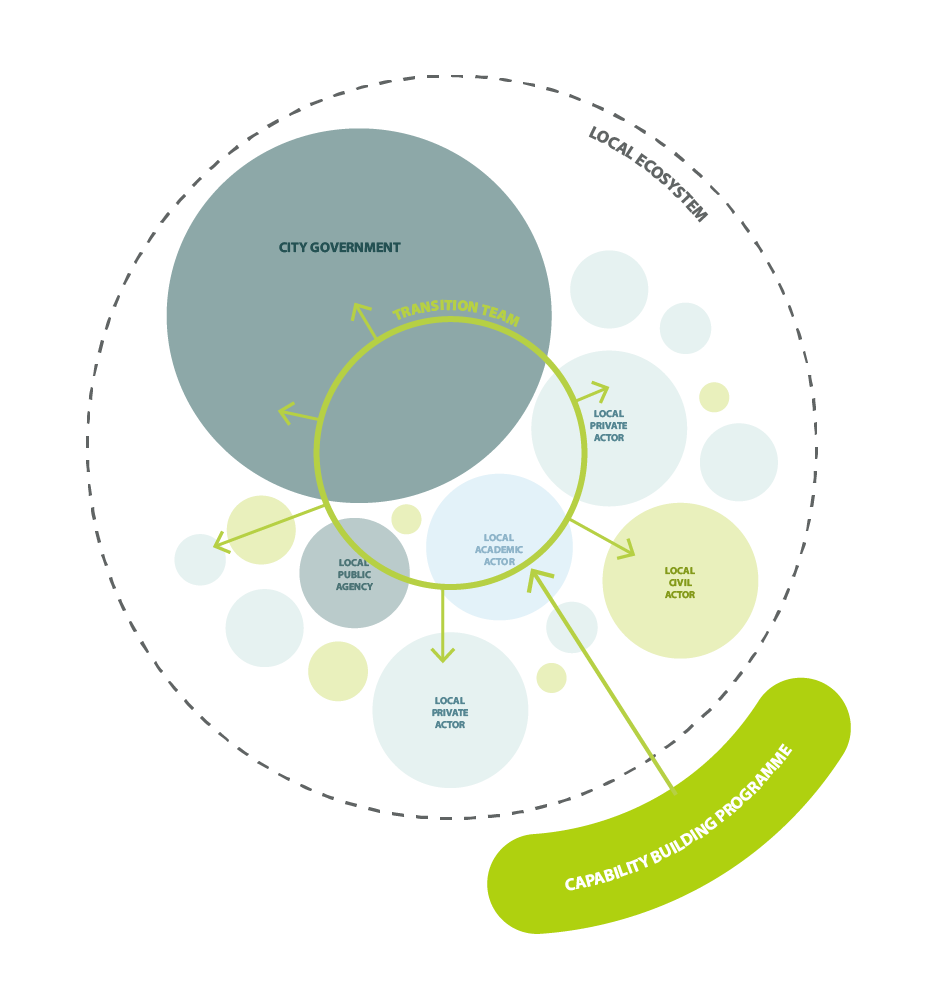
This chapter explores the imperative for cities to accelerate their journey towards climate neutrality through social innovation and systemic transformation. It begins by contextualizing the challenge within the European Union’s “100 Climate-Neutral and Smart Cities by 2030” Mission, emphasizing the need for collaborative governance and creative approaches to city planning. Key practices for sustainability action planning are outlined, including the establishment of Transition Teams, development of portfolios of actions, mobilisation of cross-sectoral ecosystems, and iterative planning processes. The chapter further introduces the Climate Transition Map as a tool to guide cities through their transition journey. Additionally, it discusses the importance of learning and capability building for embedding sustainability and social innovation in city practices, highlighting the need for facilitating continuous learning and reflection for informing innovation towards sustainable practices. Finally, it addresses the evolving nature of sustainable transitions and the need for transformative policies, innovative approaches, and agile structures to achieve systemic transformation. Throughout, the chapter emphasizes the central role of social innovation in empowering collective action towards climate neutrality, as a crucial aspect of sustainability transitions beyond technological innovations.
Chapter 4: Social Innovation Scaling at Urban Level
Sabrina Bresciani, Cyril Tjahja
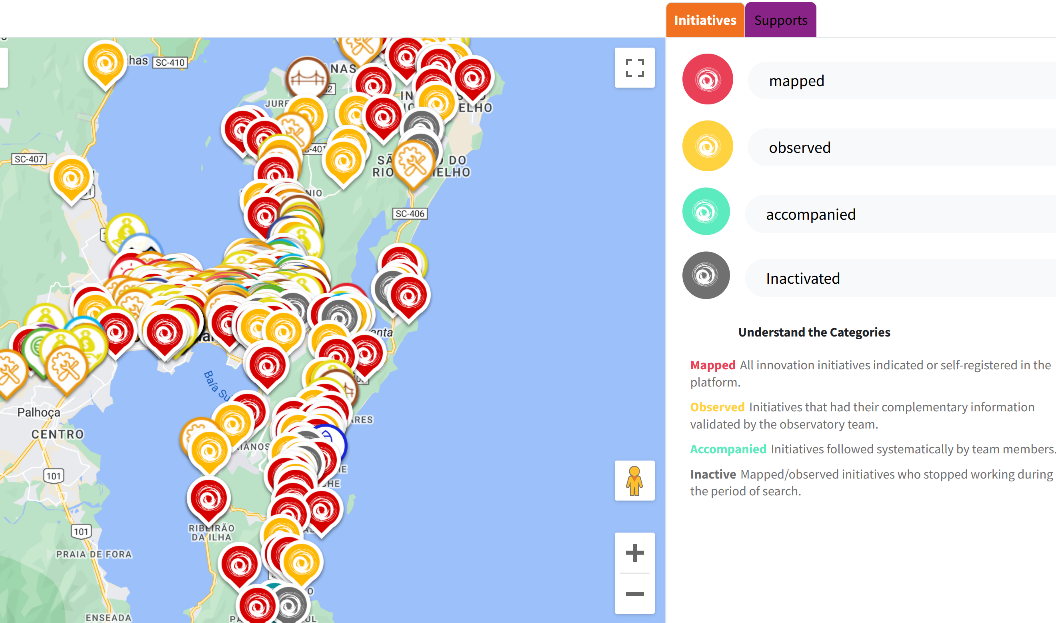
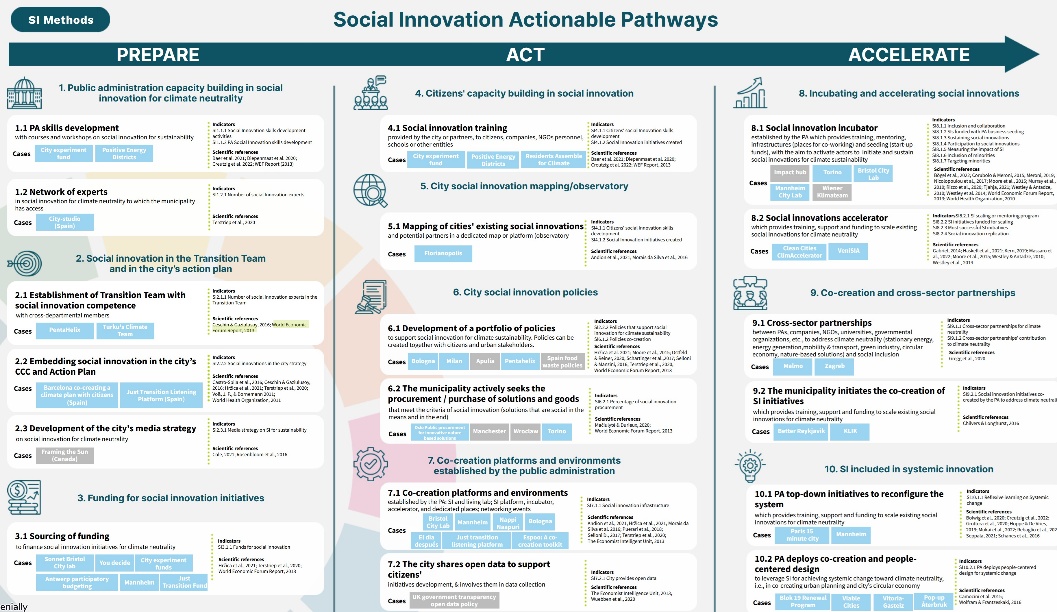
How can social innovation initiatives in cities be scaled to provide systemic and enduring impact on reducing GHG emissions? Academic and practitioners’ literature offers a number of conceptualizations of social innovation scaling strategies, including the popular “scaling up, out and deep” framework. In this chapter, scaling methods are presented to support cities to amplify social innovation impact. Based on cities’ social innovation readiness level, social innovation pathways can range from preparatory phases—including capacity building and mobilizing funds—to mapping the ecosystem, and to systematically embedding social innovation for climate neutrality in all cities’ activities, including communication strategies, public procurement, circular economy, urban planning, and policy co-creation.
Sabrina Bresciani, Rohit Mondal, Kaisa Schmidt-Thome, Francesco Michele Noera
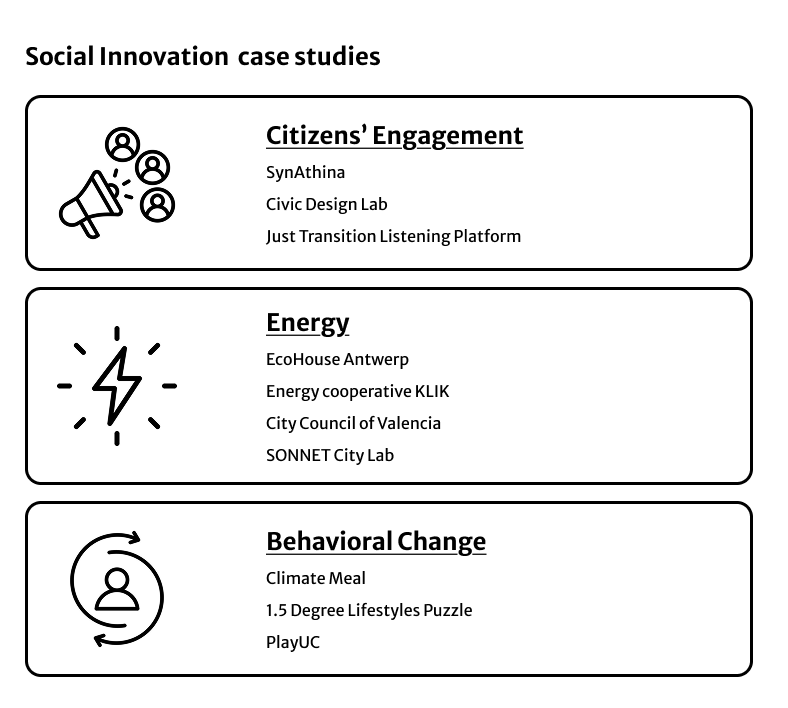
How are cities implementing social innovation for climate neutrality in practice? In this chapter, 10 case studies are summarized according to three main categories: citizen engagement, energy (communities), and behavioral change. These categories correspond to the NZC curated collections of social innovation case studies, which are available on the NZC platform. The breadth of cities’ experiences covered by the cases reflect Europe’s dynamic experimental environment, with diverse levels of readiness and understanding of social innovation for sustainability. Cases outline cities’ experiences from Spain, Greece, Croatia, Belgium, Finland, Netherlands, Belgium, Austria, U.K. and U.S. Topics range from gamified approaches to co-creation and from community building and to civic design labs.
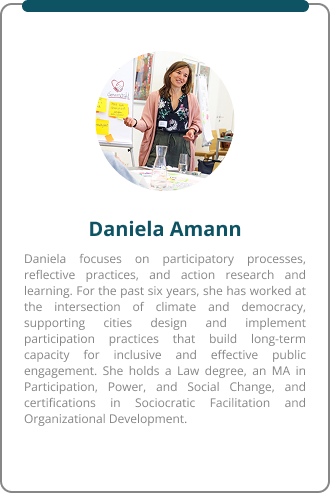
Daniela Amann, Arild Ohren, Max Stearns, Ilaria Mariani
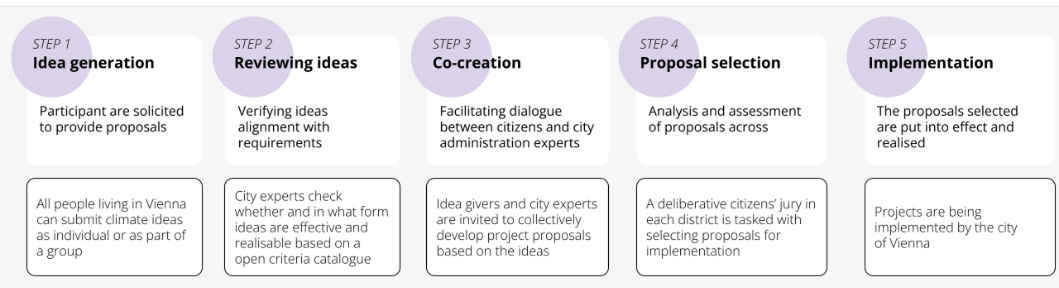
Through the analytical exploration of the ‘Wiener Klimateam’ case, the chapter exemplifies the pivotal role of a sound democratic ecosystem to activate social innovation (SI) and drive urban transformation towards climate neutrality. It shows the relevance of integrating diverse stakeholder perspectives to address complex climate challenges, leveraging citizen engagement and democratic processes. This case study shows how comprehensive analysis, stakeholder engagement, and participatory design can catalyse systemic changes within city infrastructures, emphasising inclusivity and equitable change. The initiative’s innovative approach, including a citizens’ jury, showcases the transformative potential of a thriving democratic ecosystem and SI in operationalising sustainable urban governance and fostering collaborative, cross-sectoral strategies. By doing that, the chapter aims to derive insights that are potentially scalable and extendable, focusing on the dynamics of urban innovation. It will examine how democratic ecosystems have been established and SI operationalised to address the challenges that cities face on their journey towards climate neutrality, bridging the gap between theoretical discourse and practical application. The analysis is presented against the dimensions of theoretical constructs derived from Chaps. 2 and 3 and summarised in a framework to explore the operational challenges and opportunities in real-world contexts.
Chapter 7: Social Innovation Design Pathways and Methods Toward Net Zero
Tamami Komatsu, Morgan Ricard
Design pathways allow cities to successfully implement social innovation (SI) within a system of stakeholders committed to achieving climate neutrality. This chapter describes tools and methods that cities and scholars can utilize to develop and enhance social innovation projects. Such methods are based on the Social Innovation Pathway and Toolkit developed in the NetZeroCities project and derived from a design-based learning framework. The approach prioritises human-centred principles of co-design and co-production, and reduces risk by building buy-in, flexibility, non-linearity, and innovation. Two user pathways are outlined: tailoring the SI process for bottom-up and top-down support for city Transition Teams, public administration, and local stakeholder working on a city’s climate agenda. The lifecycle of the SI pathway is divided into five progressive phases to analyse the context for understanding of the system, reframe problems while co-designing a portfolio of tools and methods that meet the cities’ challenge(s), envision alternatives as they take action with iterative ideation, prototype and experiment by testing prototypes to gain insight on their impact before full implementation, and evaluate and scale to integrate the innovation within the larger ecosystem
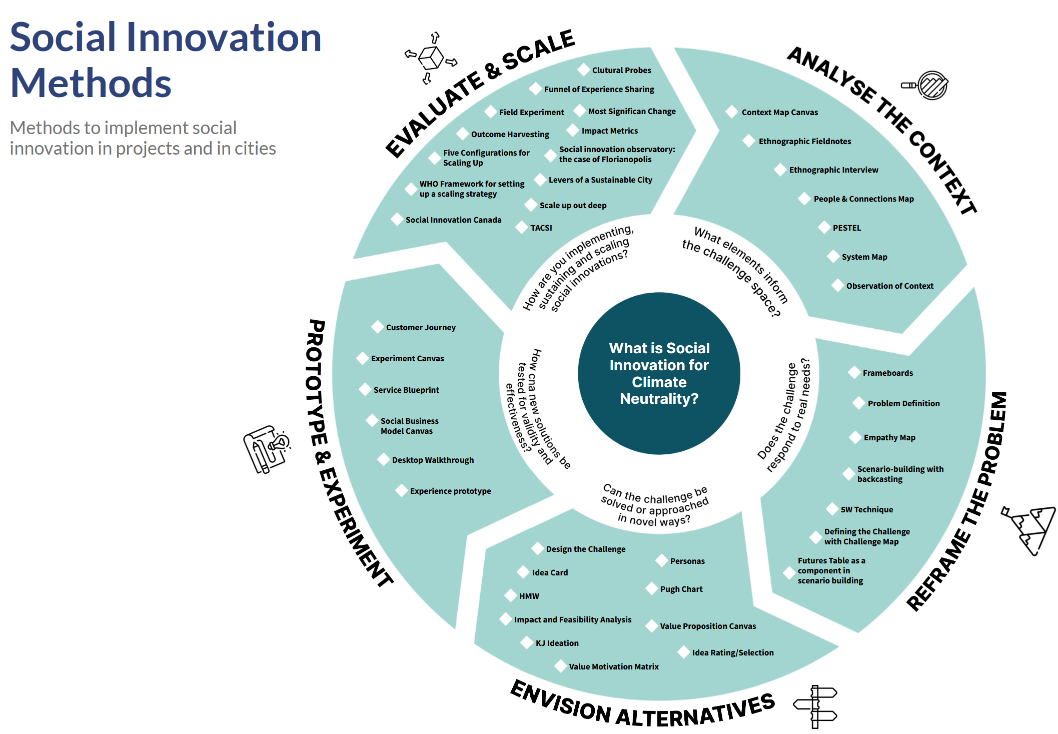
Methods to implement social innovation in projects in cities
Emma Puerari, Alessandro Deserti
This chapter explores the New European Bauhaus (NEB) EU research programme as a relevant instrument for advancing the European Green Deal by fostering tangible and on-the-ground improvements in people’s quality of life, mixing social innovation with more traditional innovation fields and approaches. The NEB programme, launched by the European Commission in 2020, brings forward a set of initiatives by integrating sustainability, inclusivity, and aesthetics. By leveraging partnerships across public, private, and civil society sectors, the NEB promotes small-scale, adaptable initiatives that collectively contribute to climate neutrality. The urgency of building a carbon–neutral future is framed as a complex problem that addresses technological, environmental, and social responsibility, given its impact on different sectors such as healthcare, education, mobility, housing, and overall well-being. Social innovations are positioned as essential to tackle the challenges bound to these interconnected sectors. However, exploiting social innovation to achieve systemic change requires dismantling existing barriers between sectors, governance levels, and cultural structures, and reframing the traditional “scaling” mechanisms in a broader perspective that combines bottom-up and top-down approaches. The chapter outlines how the NEB programme relates to social innovation for climate neutrality. Secondly, it emphasises the importance of adopting mission-oriented and portfolio-based approaches in EU-funded research schemes to ensure sustainable transitions. The chapter concludes with an analysis of the progress made by the NEB and the challenges that remain to include social innovation among the fundamental means to meet the grand societal goals of the European Green Deal and EU Missions.
Authors












Komentari ()