
There are a range of AI applications that can contribute to climate neutrality in cities, across various themes, including energy, transport and built environment for example by:
- Integrating and optimizing smart urban transport systems via mobility-as-a-service (MaaS) or other single on-demand mobility services;
- Optimizing energy production and consumption via home technologies with a focus on energy saving and behavior change;
- Monitoring changes in the natural and the built environment via remote sensing with autonomous drones—used for multiple-object detection and tracking in aerial videos.
One of the most difficult to assess aspects of urban performance has traditionally been the wind flow around buildings, whether that is thought of as an indicator of pedestrian comfort and safety, natural ventilation or pollution concentration.
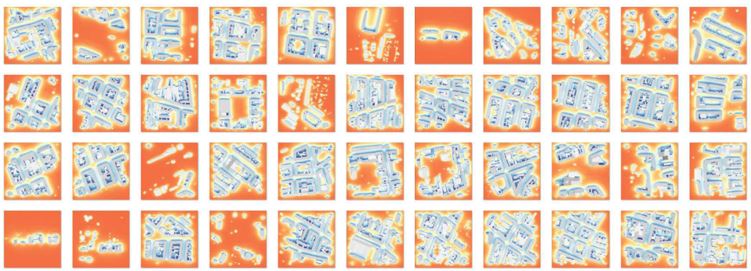
Wind Flow Prediction through Machine Learning, City intelligence Lab
Using AI, we can bring the world of CFD and wind flow assessment into the realm of iterative evaluation and optimization of design and equally important, can allow us to conduct even more complex studies of urban performance such as thermal comfort.
Kommentarer ()