
A low-emission zone (LEZ) is an example of an urban vehicle access regulation (UVAR). A LEZ is a geographic area in a city where vehicle access is limited to those vehicles that meet certain emissions characteristics. A LEZ is a regulatory measure that enables a city to reduce the level of emissions in a given geographic area.
Low-emission zones are generally introduced in stages, meaning they become increasingly strict over the course of several years. This allows citizens and businesses time to adapt to the changes by purchasing lower-emitting vehicles, retrofitting existing vehicles where possible or finding other modes of transport within the LEZ area (e.g., walking, cycling, public transport, e-scooters). Early and regular communication allows citizens to adapt their behaviour to the new situation.
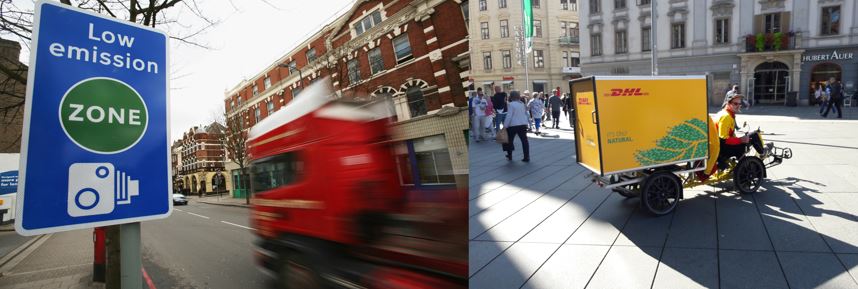
Stricter versions of a low-emission zone can include ultra-low-emission zones or zero-emission zones. Enforcement must be carefully considered so that only vehicles meeting the current standards are able to access the zone. This may be challenging when dealing with foreign-registered vehicles.
It should be noted, LEZs only act on emission standards, independent of the number of kilometres driven, i.e. they do not help to reduce the total number of vehicles in an area.
Komentáre ()