
The energy transition has far-reaching effects on the direct living environment of citizens. Changes at home, neighbourhood, and environment are necessary in order to achieve goals related to energy conservation and the generation of sustainable energy. The extent to which residents are involved in the process of making sustainable decisions has an important impact on the speed and outcome of such projects.
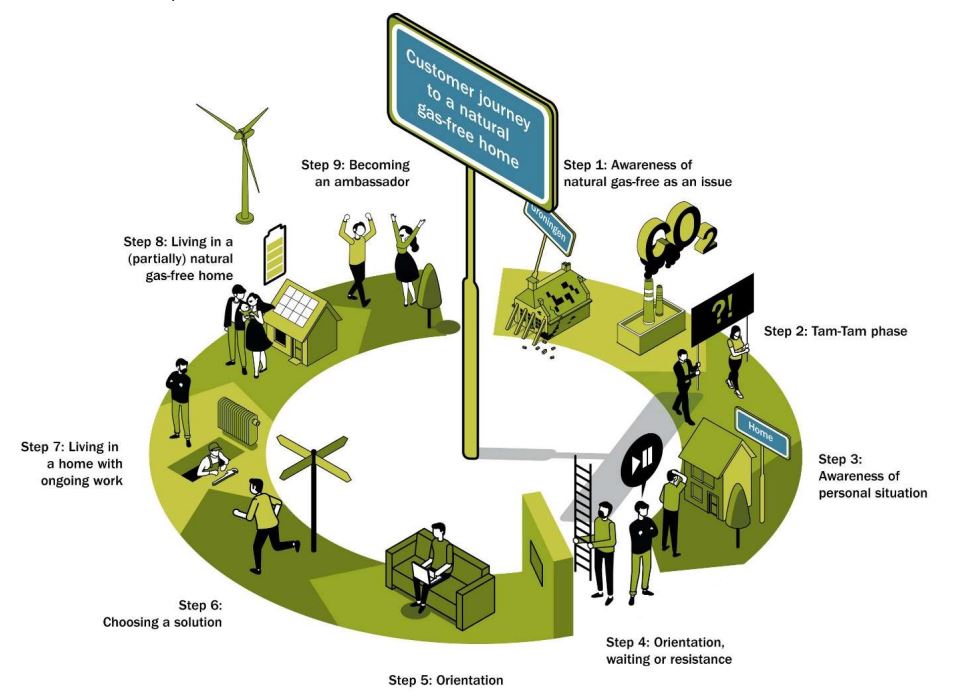
Customer journey to a natural gas-free home. Source: TNO, Natural gas-free homes: drivers and barriers for residents
Residents want to and should have influence and feel involved in the decisions over plans related to energy transition, as their participation is crucial to make it a success. When this happens carelessly, it can lead to concerns, discussions and a distancing of citizens from project initiators.
Multiple approaches for successful citizen and consumer engagement have been developed, focusing on specific target groups, e.g. tenants of housing corporations and home owner associations. Important elements of these approaches are getting insights into the drivers, barriers, and values of citizens and consumers. In some of these methods, an essential element is creating social cohesion.
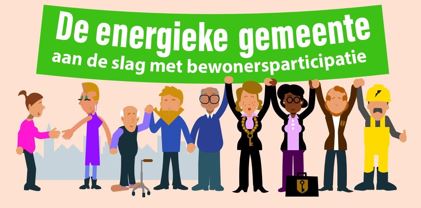
The benefits are energy solutions that match with citizen’s needs, preventing or reducing resistance. Accordingly, the outcome of this engagement reduces the use of energy as well as fosters the adoption of sustainable energy solutions by end users.
Kummenti ()