
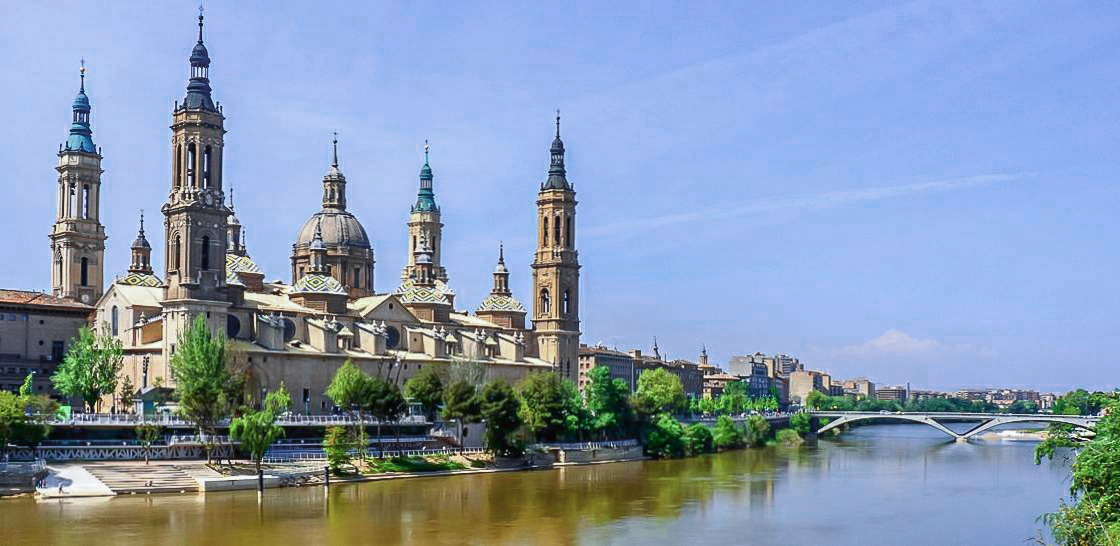

Zaragoza

Spain

Belt tal-missjoni Belt pilota
Ekosistema tal-Missjoni Nazzjonali Spain
Zaragoza Mission City Label
Popolazzjoni 700k
Żona tal-Belt 937 km²
Il-belt attiva minn June 2022

The urgency to accelerate emission reduction processes has led to increase the level of ambition in terms of decarbonisation targets and shorten the timeframe for achieving carbon neutrality. In this context, Zaragoza's goal is to achieve climate neutrality by the end of this decade. The city has defined a target of 80% emission reductions by 2030 (compared to its business-as-usual expected progression) in the main sectors that will lead to a systemic transformation of the city. Natural sinks such as urban forests or renaturalization of spaces will offset the remaining residual emissions. 


Zaragoza has analysed the current state of play regarding the city's emissions and has identified three priority pillars for action, around which the systemic changes and strategic interventions that need to be addressed in order to reach the goal of climate neutrality by 2030 are articulated. These three priority pillars are as follows: 1. sustainable and intelligent mobility 2. renaturalisation and circular economy 3. energy and efficiency 

Prinċipali tagħlimiet

L-aħħar aġġornamenti mill-belt

Proġetti pilota

Spain's Pilot Activity: URBANEW: Multi-stakeholder innovative and systemic solutions for urban regeneration Spain - NetZeroCities

Seven Spanish cities will develop a pilot programme to promote a systemic transformation and ensure that the residential, commercial, public and private building sectors reduce their carbon footprint and become energy efficient. To this end, the cities will mobilise their stakeholders and jointly promote actions to encourage energy rehabilitation and the substitution of construction materials, encouraging the use of local raw materials with a low carbon footprint and promoting the deployment of renewable energies under self-consumption models and energy communities. The planned activities will be tested in seven cities simultaneously, in several climatic and socio-economical contexts. Lessons learned will allow to obtain a complete vision of this pilot, with a deep diagnosis to better understand the barriers and levers to decarbonise the built environment and integrate renewable energies.