
Her finder du mere information om klimaneutralitet, hvad det betyder for dig og din by, samt oplysninger om, hvordan NetZeroCities arbejder for at hjælpe dig med at nå målet!
Introduktion fra hovedwebstedet
Se, hvilke byer der deltager i EU Cities Mission
Publikationer fra NetZeroCities-webstedet
En introduktion til portalen
Nye tilgange i et toårigt program
Ofte stillede spørgsmål
Byer, der følger eksemplet fra pilotbyerne og lærer af deres arbejde
Kortet over klimaomstilling tager dig med på en rejse mod klimaneutralitet og støtter dig hele vejen i din klimatransition
At samle mennesker, handlinger og investeringer for at opnå klimaneutralitet
At se udfordringen fra forskellige vinkler og lære af fortiden
Måder at fremme forandringer på ved hjælp af forskellige virkemidler
Planlægning, gennemførelse og opfølgning på dine tiltag
Opbygning af den fælles viden og de fælles kompetencer, der er nødvendige for at understøtte hurtige forandringer
Implementering og fastholdelse af god praksis
Opdag det innovative styringsredskab, der bruges af Missionsbyer
NetZeroCities Læringshub tilbyder EU-specifikke læringsprogrammer på lokale sprog og støtter offentlige administratorer, forskere, civile organisationer, beslutningstagere, konsulenter og forandringsskabere.
Det tilbyder systemiske, samarbejdsbaserede og peer-to-peer-tilgange samt praktiske værktøjer og evidensbaserede eksempler for at understøtte overgangen til klimaneutralitet i byerne og hjælpe med at navigere i komplekse systemiske forandringer.
Bliv medlem af en gruppe og udforsk din klimaomstilling på fokuserede måder.
Skab meningsfulde forbindelser i vores fællesskab, og del indlæg på vores sociale feed for at holde kontakten med andre, der skaber bæredygtige forandringer i deres lokalsamfund!
Læs mere om, hvordan de enkelte lande deltager i en mission, og hvilke lande der har oprettet nationale platforme
Se alle byer, der er registreret på NetZeroCities-portalen
Nyhedsfeed
Se, hvilke grupper du kan blive medlem af, eller opret din egen
Se begivenheder eller opret din egen
Se alle brugere på NetZeroCities-portalen
Chat med alle brugere på NetZeroCities-portalen
NetZeroCities-portalen indeholder en række værktøjer, der kan støtte dit arbejde, både nu og i fremtiden.
Se alle værktøjer på oversigtssiden, eller gå direkte i gang.
Få et overblik over alle værktøjer
Datadashboard, der viser fremskridtene i Missionsbyer
EU-initiativer og -projekter vedrørende klimaneutralitet
Tekniske løsningsporteføljer, der skaber større effekt
Udforsk konkrete veje til social innovation
Find den rette finansiering til dine projekter
Søgemaskine til tekniske løsninger til dekarbonisering (faktablad)
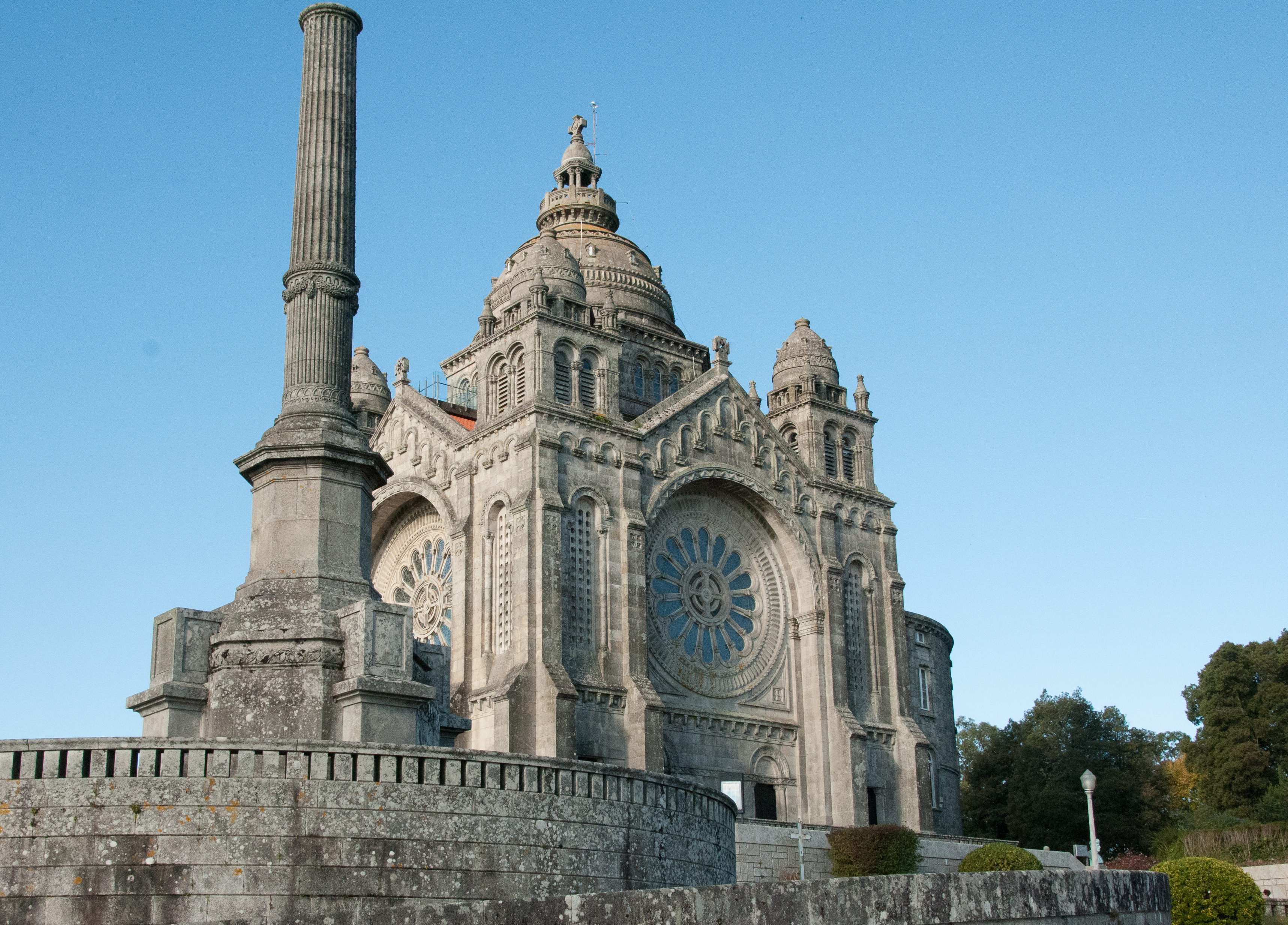
Portugal
Der kommer ikke flere opdateringer