
Hier vind je meer informatie over klimaatneutraliteit, wat dit voor jou en je stad betekent, en hoe NetZeroCities je helpt om dit doel te bereiken!
Inleiding van de hoofdwebsite
Ontdek de steden die deelnemen aan de EU Cities Mission
Publicaties van de NetZeroCities-website
Een inleiding tot het portaal
Innovatieve benaderingen in het kader van een tweejarig programma
Veelgestelde vragen
Steden die het werk van de Pilotsteden overnemen en daarvan leren
De Klimaattransitiekaart neemt je mee op een reis naar klimaatneutraliteit en begeleidt je bij elke stap in je klimaattransitie
Mensen, acties en investeringen afstemmen om klimaatneutraliteit te bereiken
De uitdaging vanuit verschillende invalshoeken bekijken en lessen trekken uit het verleden
Manieren om verandering te ondersteunen met meerdere hefbomen
Het plannen, uitvoeren en monitoren van uw acties
Het opbouwen van de gezamenlijke kennis en vaardigheden die nodig zijn om veranderingen snel te ondersteunen
Goede praktijken integreren en in stand houden
Ontdek het innovatieve governanceinstrument dat de Missiesteden gebruiken
De NetZeroCities Learning Hub biedt EU-specifieke leerprogramma's in lokale talen en ondersteunt openbare bestuurders, onderzoekers, maatschappelijke organisaties, beleidsmakers, consultants en changemakers.
Het biedt systemische, collaboratieve en peer-to-peer-benaderingen, samen met praktische tools en op bewijs gebaseerde voorbeelden, om de overgang naar stedelijke klimaatneutraliteit te ondersteunen en complexe systemische verandering te helpen sturen.
Leer in uw eigen tempo
Word lid van een groep om je klimaattransitie op gerichte manieren te verkennen.
Leg waardevolle contacten binnen onze gemeenschap en deel berichten op de sociale feed om in contact te blijven met anderen die duurzame veranderingen in hun gemeenschap tot stand brengen!
Ontdek hoe elk land bij een missie betrokken is en welke landen nationale platforms hebben opgezet
Bekijk alle steden die zijn geregistreerd op het NetZeroCities-portaal
Sociale feed
Bekijk welke groepen je kunt aansluiten of start je eigen groep
Bekijk evenementen of maak je eigen evenement
Bekijk alle gebruikers op het NetZeroCities-portaal
Chat met alle gebruikers op het NetZeroCities-portaal
Het NetZeroCities-portaal biedt tal van hulpmiddelen om u bij uw werk te ondersteunen, nu en in de toekomst.
Verken alle tools via de overzichtspagina of duik er meteen in.
Bekijk alle tools in één oogopslag
Dashboard met gegevens over de voortgang van de Missiesteden
EU-initiatieven en -projecten op het gebied van Klimaatneutraliteit
Technische oplossingen voor meer impact
Ontdek concrete wegen naar sociale innovatie
Vind de juiste financiering voor uw projecten
Zoekfunctie voor technische decarbonisatieoplossingen (factsheet)
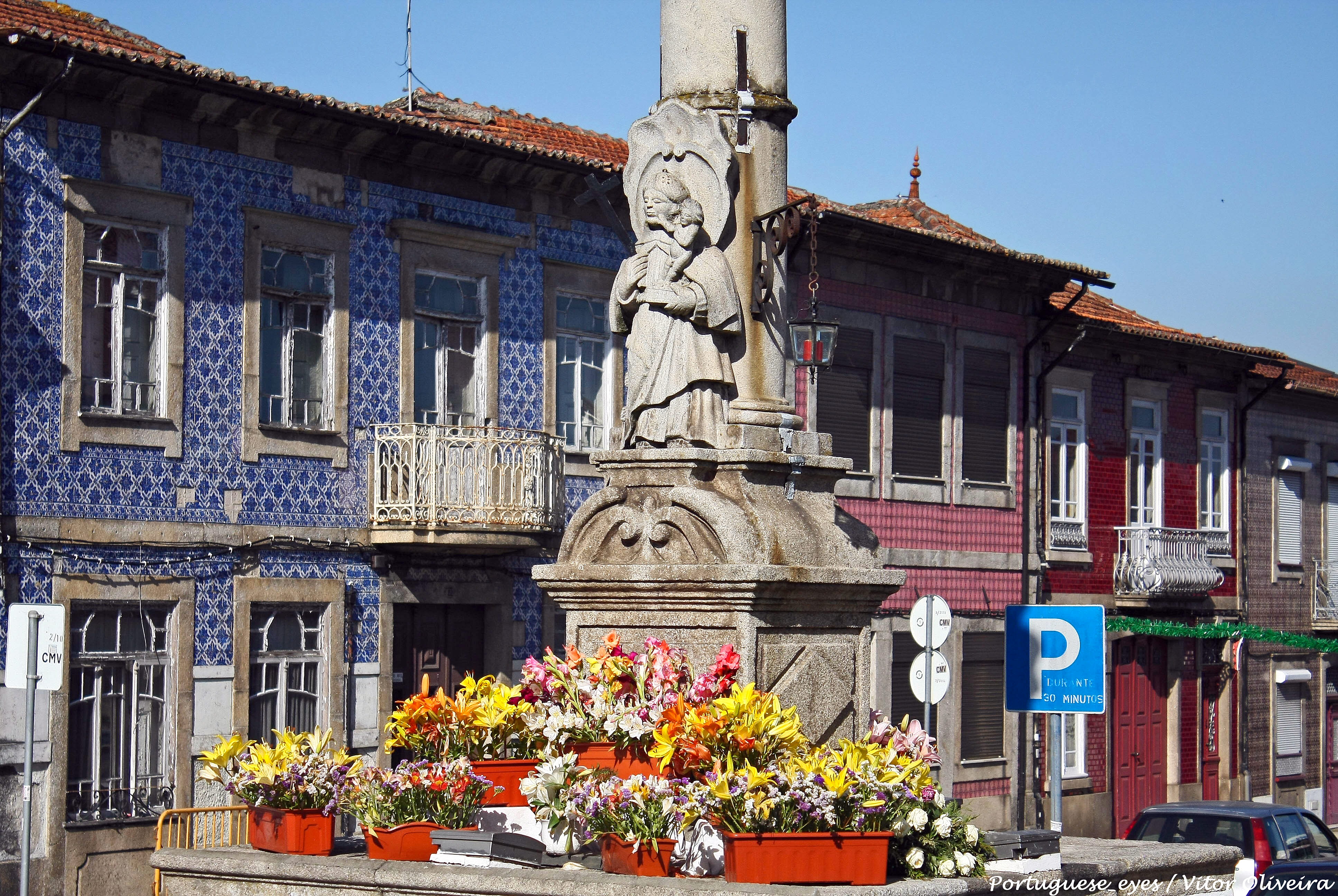
This default description comes from wikipedia
Valongo (Portuguese pronunciation: [vlu] ) is a Portuguese municipality located in the District of Porto and 10 km from Porto, in the northern region of Portugal.The municipality area consists of 75.12 km and 93 858 inhabitants (2011), and it is subdivided into four parishes: Alfena, Campo e Sobrado, Ermesinde and Valongo. The municipality is limited to the north by the municipality of Santo Tirso, to the northeast by Paos de Ferreira, to the east by Paredes, to the southwest by Gondomar and to the west by Maia.== History ==The Municipality of Valongo was created in 1836 as a part of the administrative reform of the country, which occurred during the reign of D. Maria II. However, human occupation of this region predates the Roman conquest of the Iberian-Peninsula.=== Ancient history ===This region was occupied by the Romans, especially for gold mining in the Serra de Santa Justa. One of the traces of Roman occupation is in the municipality name, which originated in the Latin words Vallis Longus. There are still traces that would allow the detection of two main Roman connecting roads that would cross the municipality: the Porto - Guimares road and the Alfena - Valongo - Aguiar de Sousa / Penafiel road.This region would then be occupied by barbarian peoples (Suebi and Visigoths) and later by Arabs and Moors.According to Father Lopes dos Reis, a native of Valongo, the Moors entered Hespanha enthusiastic about the holy war with the alfange in one hand and Alkoro in the other, taking over with their powerful army all the places they could pass through. In Vallongo, perhaps there was no blood at all, because the inhabitants, few and without defense, could only fearlessly try to prevent the passage to a powerful enemy from whom they had known that an army of brave people had fled in terror.
Geen updates meer