
Here you will find more information about climate-neutraility, what it means for you and your city, as well as information about how NetZeroCities works to help get you there!
Introduction from main website
Discover the cities involved in the EU Cities Mission
Publications from the NetZeroCities website
An introduction to the Portal
Innovative approaches over a two-year programme
Frequently Asked Questions
Cities replicating and learning from the work of Pilot Cities
The Climate City Contract is the Mission´s core delivery instrument. Here you can find everything you need to develop and submit your own: practical guidance, templates, examples and case studies.
Learn about Climate City Contracts
Explore all Climate City Contracts developed by Mission and Mission-minded cities
Discover the Climate Transition Map
Climate City Contract Templates and Guidance
The NetZeroCities Learning Hub offers EU-specific learning programmes in local languages, supporting public administrators, researchers, civic organisations, policymakers, consultants and changemakers.
It provides systemic, peer-to-peer and collaborative approaches, alongside practical tools and evidence-based cases, to support the transition to urban climate neutrality and help navigate complex systemic change.
Learn at your own pace
Join a group to explore your climate transition in focused ways.
Make meaningful connections across our community, share posts on the social feed to keep connected with others making sustainable change in their community!
Learn how each country engages in a Mission and which have established National Platforms
See all cities registered on the NetZeroCities Portal
Social feed
Explore groups to join or start your own
Explore events or create your own
See all users on the NetZeroCities Portal
Chat with all users on the NetZeroCities Portal
The NetZeroCities Portal hosts many tools to support your work, now and into the future.
Explore all tools through the overview page or dive straight in.
Explore all tools at a glance
Data dashboard exploring Mission Cities’ progress
EU climate neutrality initiatives and projects
Technical solution portfolios for greater impact
Explore Social Innovation Actionable Pathways
Find the right funding for your projects
Technical decarbonisation solution (factsheet) finder
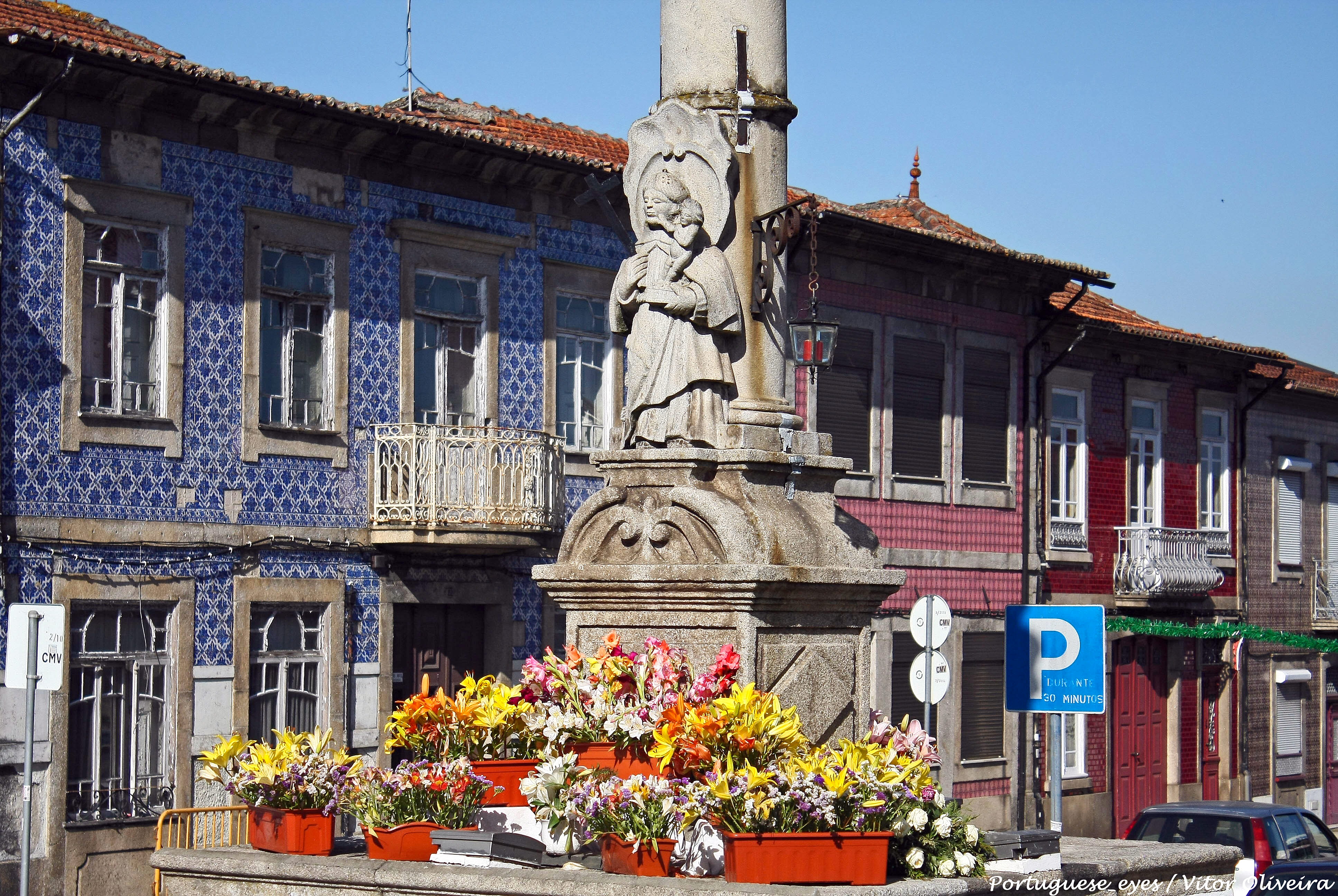
This default description comes from wikipedia
Valongo (Portuguese pronunciation: [vlu] ) is a Portuguese municipality located in the District of Porto and 10 km from Porto, in the northern region of Portugal.The municipality area consists of 75.12 km and 93 858 inhabitants (2011), and it is subdivided into four parishes: Alfena, Campo e Sobrado, Ermesinde and Valongo. The municipality is limited to the north by the municipality of Santo Tirso, to the northeast by Paos de Ferreira, to the east by Paredes, to the southwest by Gondomar and to the west by Maia.== History ==The Municipality of Valongo was created in 1836 as a part of the administrative reform of the country, which occurred during the reign of D. Maria II. However, human occupation of this region predates the Roman conquest of the Iberian-Peninsula.=== Ancient history ===This region was occupied by the Romans, especially for gold mining in the Serra de Santa Justa. One of the traces of Roman occupation is in the municipality name, which originated in the Latin words Vallis Longus. There are still traces that would allow the detection of two main Roman connecting roads that would cross the municipality: the Porto - Guimares road and the Alfena - Valongo - Aguiar de Sousa / Penafiel road.This region would then be occupied by barbarian peoples (Suebi and Visigoths) and later by Arabs and Moors.According to Father Lopes dos Reis, a native of Valongo, the Moors entered Hespanha enthusiastic about the holy war with the alfange in one hand and Alkoro in the other, taking over with their powerful army all the places they could pass through. In Vallongo, perhaps there was no blood at all, because the inhabitants, few and without defense, could only fearlessly try to prevent the passage to a powerful enemy from whom they had known that an army of brave people had fled in terror.
No more updates