Recommendations for supporting municipalities in integrating Climate Action into the urban planning system
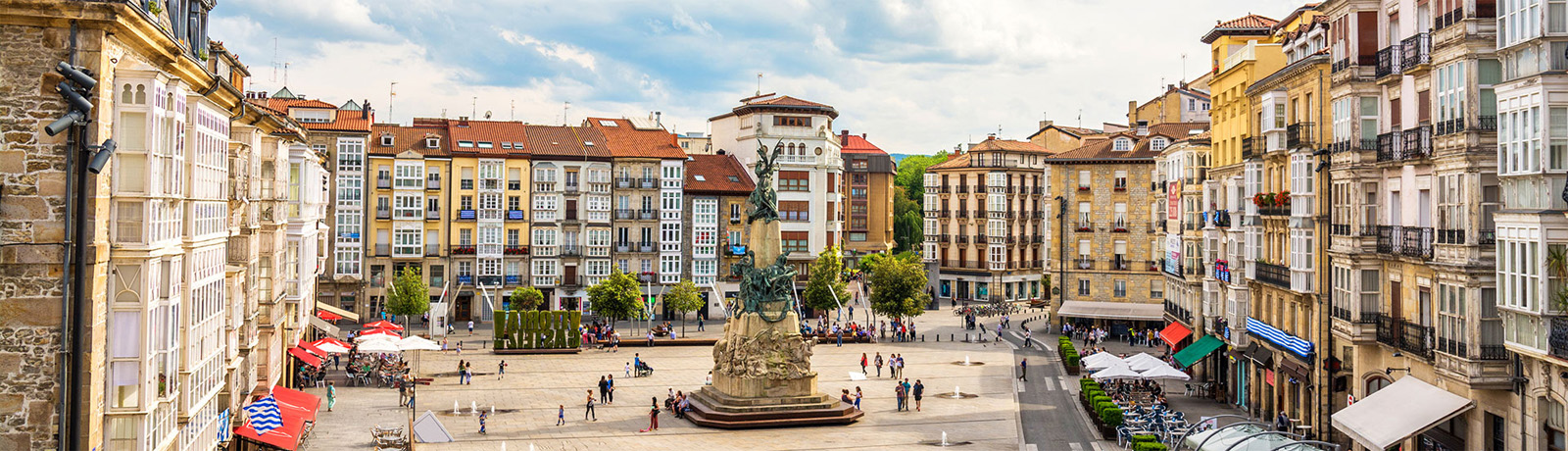
This guidance, developed under the NetZeroCities Project and funded by the City Expert Support Facility (CESF), aims to support municipalities—specifically Vitoria-Gasteiz—in aligning their urban planning with climate goals. It provides a structured framework to integrate climate action into the General Urban Planning Plan (PGOU), fostering sustainable, climate-resilient cities through collaborative, multidisciplinary approaches.
Content Overview:
Transforming from within
Focuses on internal organizational change within municipal teams. Highlights the importance of fostering a culture of climate commitment, enhancing interdepartmental collaboration, and building capacity to address climate challenges through urban planning.
New Approaches to Municipal Action
Introduces innovative methodologies and tools for urban planning that prioritize climate action. Encourages adaptive governance, participatory processes, and the integration of climate risks and opportunities into planning frameworks.
Keys to a Climate-Neutral PGOU
Outlines essential strategies for achieving climate neutrality, such as promoting renewable energy, sustainable transport, green infrastructure, and circular economy principles. Emphasizes aligning urban development with local Climate Action Plans and international sustainability targets (e.g., the Paris Agreement).
Next Steps for Your Municipality
Provides actionable steps for municipalities to operationalize recommendations. Includes a roadmap for stakeholder engagement, policy integration, and monitoring progress toward climate goals.
Learning from Other Cities
Shares case studies and best practices from cities that have successfully integrated climate action into urban planning. Offers lessons learned and adaptable strategies to inspire and guide municipalities.
Context and Collaboration:
Produced through a competitive bidding process, the guidance reflects collaborative efforts between Paisaje Transversal, Tecnalia, the EU CINCO 2.0 project team (citiES 2030, DemSoc, DarkMatterLabs and Climate KIC NEB) supported by Laudes Foundation, and the municipal team of Vitoria-Gasteiz. It is grounded in a collective reflection process within the city council, blending academic research, practical expertise, and real-world application to ensure actionable, evidence-based recommendations.
Purpose and Impact:
This document serves as a practical, multidisciplinary resource to empower municipalities to transform urban planning into a driver of climate action, ensuring long-term sustainability and resilience.