
Here you will find more information about climate-neutraility, what it means for you and your city, as well as information about how NetZeroCities works to help get you there!
Introduction from main website
Discover the cities involved in the EU Cities Mission
Publications from the NetZeroCities website
An introduction to the Portal
Innovative approaches over a two-year programme
Frequently Asked Questions
Cities replicating and learning from the work of Pilot Cities
The Climate City Contract is the Mission´s core delivery instrument. Here you can find everything you need to develop and submit your own: practical guidance, templates, examples and case studies.
Learn about Climate City Contracts
Explore all Climate City Contracts developed by Mission and Mission-minded cities
Discover the Climate Transition Map
Climate City Contract Templates and Guidance
The NetZeroCities Learning Hub offers EU-specific learning programmes in local languages, supporting public administrators, researchers, civic organisations, policymakers, consultants and changemakers.
It provides systemic, peer-to-peer and collaborative approaches, alongside practical tools and evidence-based cases, to support the transition to urban climate neutrality and help navigate complex systemic change.
Learn at your own pace
Join a group to explore your climate transition in focused ways.
Make meaningful connections across our community, share posts on the social feed to keep connected with others making sustainable change in their community!
Learn how each country engages in a Mission and which have established National Platforms
See all cities registered on the NetZeroCities Portal
Social feed
Explore groups to join or start your own
Explore events or create your own
See all users on the NetZeroCities Portal
Chat with all users on the NetZeroCities Portal
The NetZeroCities Portal hosts many tools to support your work, now and into the future.
Explore all tools through the overview page or dive straight in.
Explore all tools at a glance
Data dashboard exploring Mission Cities’ progress
EU climate neutrality initiatives and projects
Technical solution portfolios for greater impact
Explore Social Innovation Actionable Pathways
Find the right funding for your projects
Technical decarbonisation solution (factsheet) finder
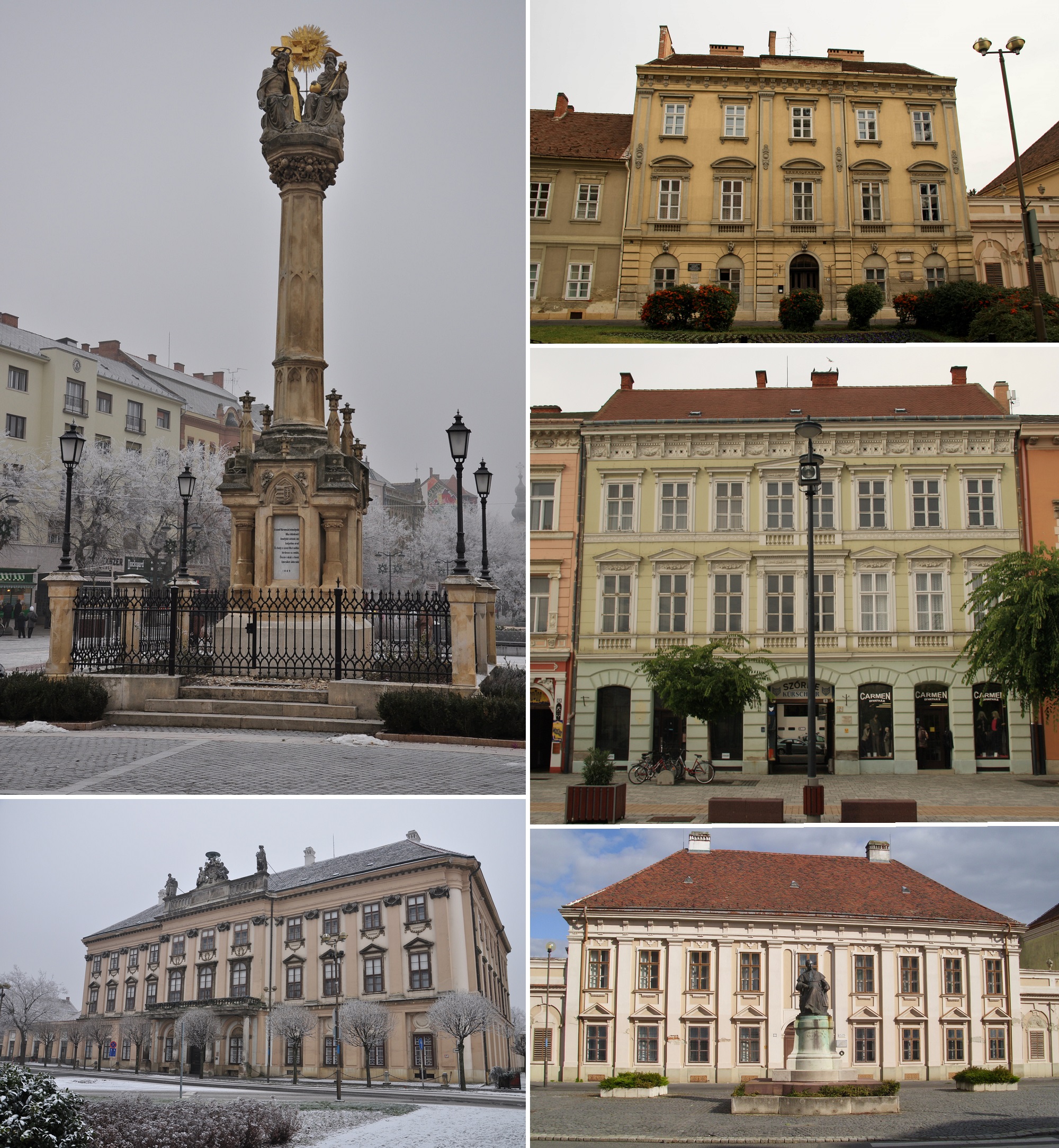
This default description comes from wikipedia
Szombathely (Hungarian pronunciation: [ˈsombɒthɛj]; German: Steinamanger, German pronunciation: [ʃtaɪ̯naˈmaŋɐ] ; see also other alternative names) is the 10th largest city in Hungary. It is the administrative centre of Vas County in the west of the country, located near the border with Austria. Szombathely lies by the streams Perint and Gyöngyös (literally "pearly"), where the Alpokalja (Lower Alps) mountains meet the Little Hungarian Plain. The oldest city in Hungary, Szombathely is known as the birthplace of Saint Martin of Tours. == Etymology == The name Szombathely is from the Hungarian szombat, "Saturday" and hely, "place", referring to its status as a market town, and the medieval markets held on Saturday every week. Once a year during August they hold a carnival to remember the history of "Savaria". The Latin name Savaria or Sabaria comes from Sibaris, the Latin name of the river Gyöngyös (German Güns). The root of the word is the Proto-Indo-European word *seu, meaning "wet". The Austrian overflowing of the Gyöngyös/Güns is called Zöbern, most probably a derivation of its Latin name. The city is known in Croatian as Sambotel, in Slovene as Sombotel and in Yiddish as סאמבאטהעלי (Sombathely).
No more updates