Here you will find more information about climate-neutraility, what it means for you and your city, as well as information about how NetZeroCities works to help get you there!
The Climate City Contract is the Mission´s core delivery instrument. Here you can find everything you need to develop and submit your own: practical guidance, templates, examples and case studies.
The NetZeroCities Learning Hub offers EU-specific learning programmes in local languages, supporting public administrators, researchers, civic organisations, policymakers, consultants and changemakers.
It provides systemic, peer-to-peer and collaborative approaches, alongside practical tools and evidence-based cases, to support the transition to urban climate neutrality and help navigate complex systemic change.
Join a group to explore your climate transition in focused ways.
Make meaningful connections across our community, share posts on the social feed to keep connected with others making sustainable change in their community!
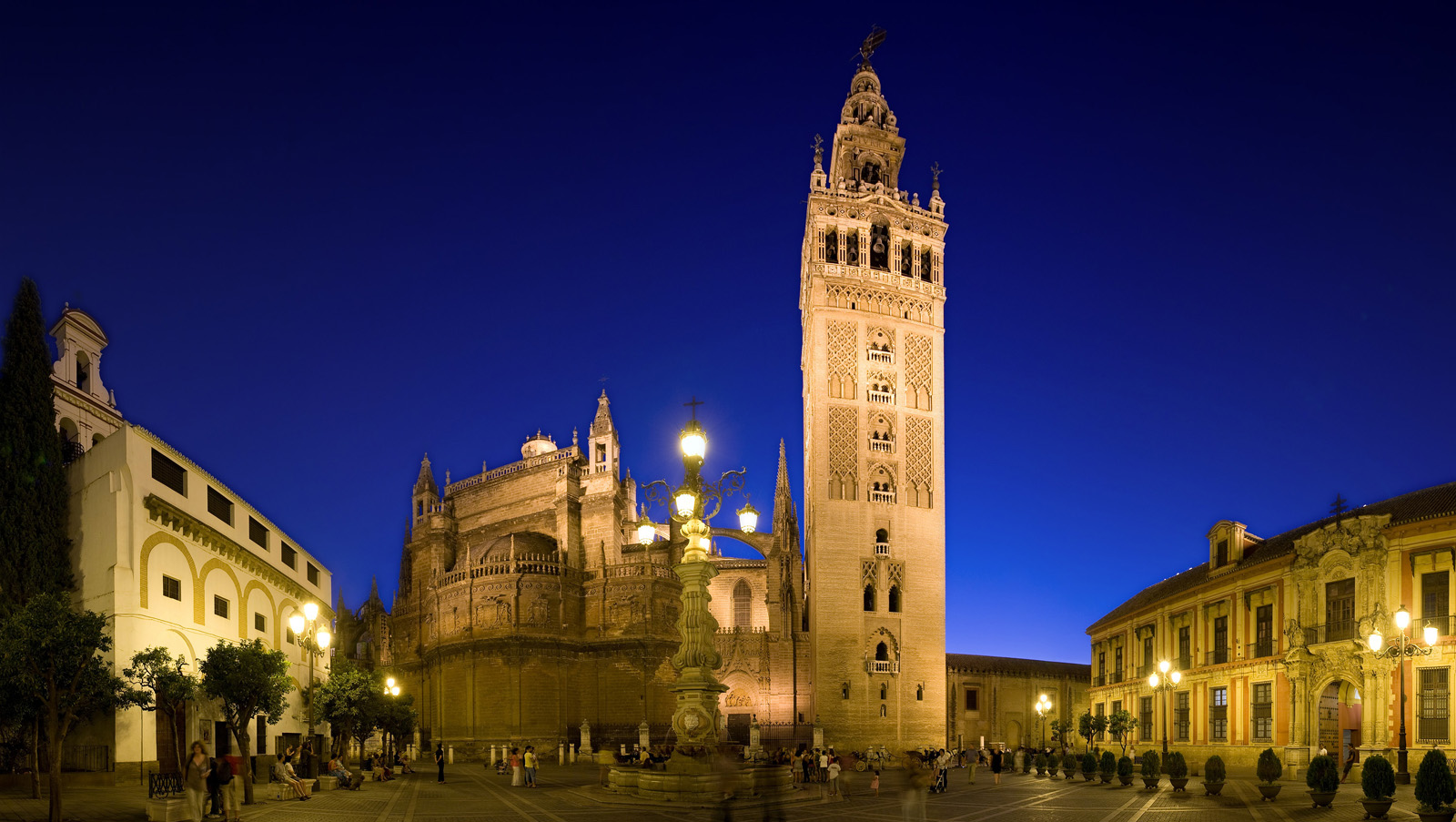
Seville and its metropolitan area are among the European urban regions on the front line of global warming. Its latitude and climate place it in an area with a high incidence of rising temperatures and adverse climate scenarios, including droughts, heatwaves, heavy rainfall, and river flooding.
In line with the Sustainable Development Goals, Seville has set itself the strategic objective of reducing emissions and combating climate change, with particular emphasis on actions that impact sustainability, environmental adaptation, and decarbonisation. In this context, the city is promoting a rigorous emissions-reduction strategy and leading an energy transition towards a more sustainable model, based on renewable energy sources, energy savings, and more rational management of the transport of people and goods.
Achieving this objective requires improvements in energy efficiency and effectiveness across all areas of urban life, including transport; the construction, renovation, and maintenance of public and private buildings; street lighting; and waste management. In parallel, Seville is promoting the development of distributed renewable energy production, with a particular focus on photovoltaic electricity generation in buildings. To this end, the city facilitates and provides economic incentives for the installation of solar panels and the self-consumption of electricity in both public and private buildings.
The use of clean energy sources for public and private transport is also encouraged, alongside the development of the necessary infrastructure. In addition, actions aimed at improving thermal comfort in public spaces are being implemented to better protect citizens from extreme heat.