
Here you will find more information about climate-neutraility, what it means for you and your city, as well as information about how NetZeroCities works to help get you there!
Introduction from main website
Discover the cities involved in the EU Cities Mission
Publications from the NetZeroCities website
An introduction to the Portal
Innovative approaches over a two-year programme
Frequently Asked Questions
Cities replicating and learning from the work of Pilot Cities
The Climate City Contract is the Mission´s core delivery instrument. Here you can find everything you need to develop and submit your own: practical guidance, templates, examples and case studies.
Learn about Climate City Contracts
Explore all Climate City Contracts developed by Mission and Mission-minded cities
Discover the Climate Transition Map
Climate City Contract Templates and Guidance
The NetZeroCities Learning Hub offers EU-specific learning programmes in local languages, supporting public administrators, researchers, civic organisations, policymakers, consultants and changemakers.
It provides systemic, peer-to-peer and collaborative approaches, alongside practical tools and evidence-based cases, to support the transition to urban climate neutrality and help navigate complex systemic change.
Learn at your own pace
Join a group to explore your climate transition in focused ways.
Make meaningful connections across our community, share posts on the social feed to keep connected with others making sustainable change in their community!
Learn how each country engages in a Mission and which have established National Platforms
See all cities registered on the NetZeroCities Portal
Social feed
Explore groups to join or start your own
Explore events or create your own
See all users on the NetZeroCities Portal
Chat with all users on the NetZeroCities Portal
The NetZeroCities Portal hosts many tools to support your work, now and into the future.
Explore all tools through the overview page or dive straight in.
Explore all tools at a glance
Data dashboard exploring Mission Cities’ progress
EU climate neutrality initiatives and projects
Technical solution portfolios for greater impact
Explore Social Innovation Actionable Pathways
Find the right funding for your projects
Technical decarbonisation solution (factsheet) finder
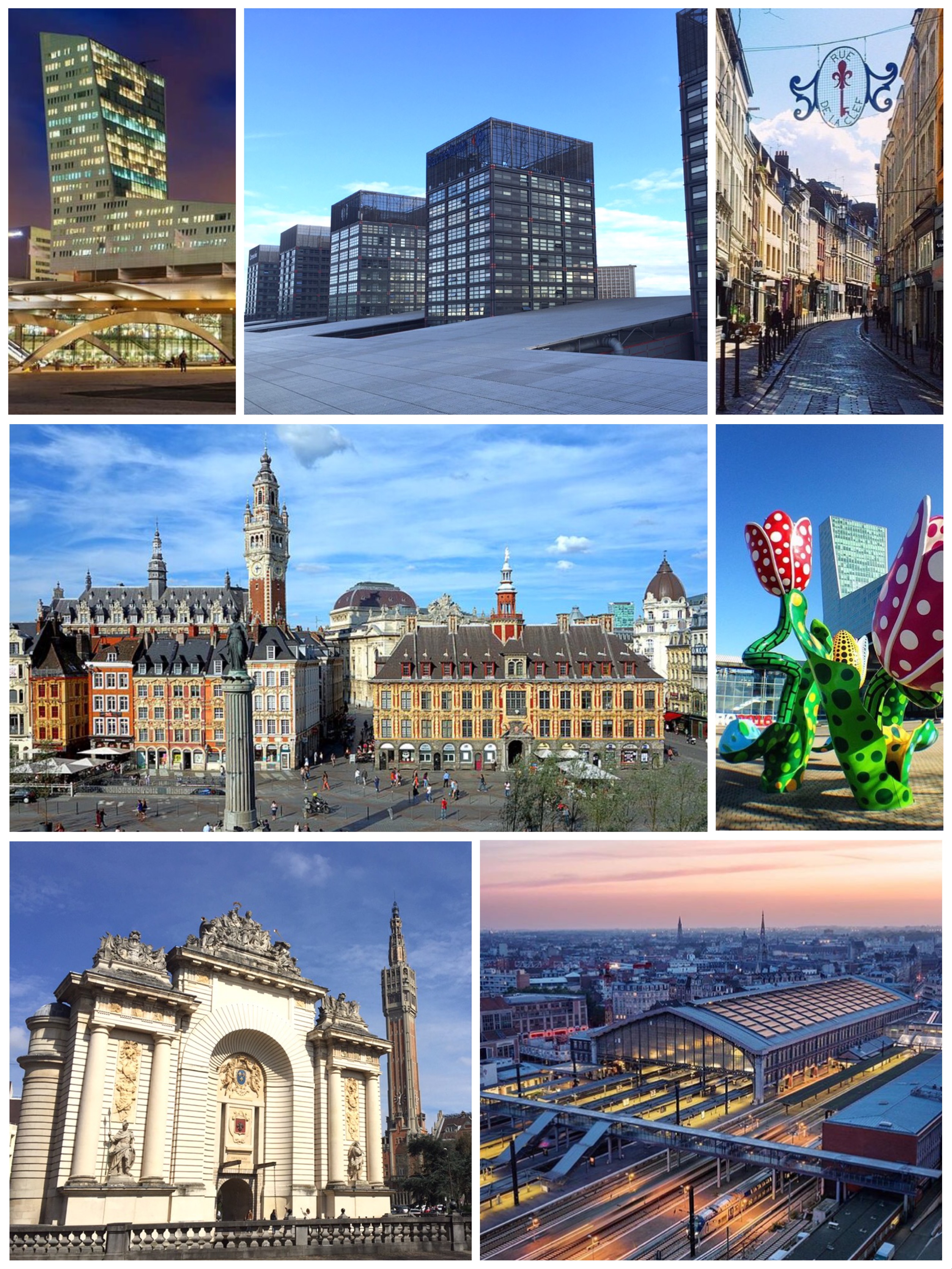
This default description comes from wikipedia
Lille ( LEEL; French: [lil] ; Dutch: Rijsel [risl]; Picard: Lile; West Flemish: Rysel) is a city in the northern part of France, within French Flanders. Positioned along the Dele river, near France's border with Belgium, it is the capital of the Hauts-de-France region, the prefecture of the Nord department, and the main city of the European Metropolis of Lille.The city of Lille proper had a population of 236,234 in 2020 within its small municipal territory of 35 km2 (14 sq mi), but together with its French suburbs and exurbs the Lille metropolitan area (French part only), which extends over 1,666 km2 (643 sq mi), had a population of 1,515,061 that same year (Jan. 2020 census), the fourth most populated in France after Paris, Lyon, and Marseille. The city of Lille and 94 suburban French municipalities have formed since 2015 the European Metropolis of Lille, an indirectly elected metropolitan authority now in charge of wider metropolitan issues, with a population of 1,182,250 at the Jan. 2020 census.More broadly, Lille belongs to a vast conurbation formed with the Belgian cities of Mouscron, Kortrijk, Tournai and Menin, which gave birth in January 2008 to the Eurometropolis LilleKortrijkTournai, the first European Grouping of Territorial Cooperation (EGTC), which has more than 2.1 million inhabitants.Nicknamed in France the "Capital of Flanders", Lille and its surroundings belong to the historical region of Romance Flanders, a former territory of the county of Flanders that is not part of the linguistic area of West Flanders. A garrison town (as evidenced by its Citadel), Lille has had an eventful history from the Middle Ages to the French Revolution. Very often besieged during its history, it belonged successively to the Kingdom of France, the Burgundian State, the Holy Roman Empire of Germany and the Spanish Netherlands before being definitively attached to the France of Louis XIV following the War of Spanish Succession along with the entire territory making up the historic province of French Flanders.
No more updates